Menu

 Find Your
Car
Find New
Car
Local
Pages
Find Your
Car
Find New
Car
Local
Pages
 Pakistan
 Antigua
 Anguilla
 Armenia
 Australia
 Azerbaijan
 Bahamas
 Bangladesh
 Botswana
 Burundi
 Canada
 Chile
Chile
 Costa Rica
 Cyprus
 Dominican Republic
 Fiji
Fiji
 Georgia
 Ghana
Ghana
 Guatemala
 Guyana
 Ireland
 Jamaica
 Kenya
Kenya
 Kyrgyzstan
 Lesotho
 Malawi
 Micronesia
 Mongolia
 Mozambique
 Namibia
 New Zealand
 Nigeria
 Papua New Guinea
 Paraguay
 DR Congo
 Russia
 Rwanda
 Samoa
Samoa
 Solomon Islands
 Somalia
 South Africa
 South Sudan
 Sri Lanka
 Tanzania
 Tonga
Tonga
 Uganda
 Ukraine
 USA
USA
 Zambia
 Zimbabwe
Car
Services
Company
Overview
Reviews
Blogs Categories
Help
Explore Stock
Explore Stock
Explore By Price
Explore By Price
Explore By Make
Explore by
Type
Explore by Year
Explore by
Discount
Inventory
Location
Inventory
Location
Other Categories
Other Categories
Zimbabwe
Car
Services
Company
Overview
Reviews
Blogs Categories
Help
Explore Stock
Explore Stock
Explore By Price
Explore By Price
Explore By Make
Explore by
Type
Explore by Year
Explore by
Discount
Inventory
Location
Inventory
Location
Other Categories
Other Categories


With eight cylinders and delivering the high power, V8 engines are the most demanded engines. They are desired for their mighty roar and higher engine torque. Even with highly advanced and more powerful options in the market, most car enthusiasts choose V8-engine cars. The majority of stock car manufacturers offer V8 as their standard engine. However, seeing V8 engines on non luxury vehicles is not common.
Keep reading to learn more about V8 engines and why they are used in high-end vehicles.
Offering superior power and torque, V8 engines outshine the V6 variant in terms of acceleration and higher towing capacity. Due to their balanced design and higher power, they give a smoother ride and are perfect for higher-duty tasks.
In the 19th century, the V8 engine was invented for airplanes and ships. The first automobile manufacturer, Renault, used these engines in automobiles in 1904. Then later, in 1905, Rolls Royce launched their first ever street car with a V8 engine available for the first time. It was a 3.5-liter V engine and was a beast of that time.
One of the reasons why cars with V8 engines are a luxury is because they deliver powerful and heavy performances.
The V8 engine consists of eight cylinders divided into two halves.
The engine has two sets of four cylinders arranged in a V shape at a 90-degree angle. When the first cylinder on the left side moves upwards, the first cylinder on the right side is at the top dead center. As a result, a balanced primary force is created.
However, secondary forces are not balanced, so they require a friction neutralizer and engine mount to reduce vibration impact.
The functioning of a V 8 engine is pretty similar to any other four stroke internal combustion engine.
V8 engines are ultimately large and powerful engines built for people who want more than just transportation from their car. When it comes to V8 engine price, there is no fixed amount because there are so many types of engines and variations specific to each model. For anyone wondering, how much does a V8 engine cost, you will have to consider various factors, including model, brand, power output, and engine condition.
Brand-new V8 engines can vary from $2,000 to over $10,000. The V8 engine cost is highly based on the engine’s specifications and the vehicle for which it is designed.
For example, a new 5.0L V8 engine for a Ford Mustang GT can cost around $7,000, and a performance-oriented V8 engine, such as a Chevrolet, can put a dent of $15,000 in your wallet.
Also, these prices are just for the engine and do not include the additional cost of modification, installation, or upgraded parts.
The used or refurbished engines are more pocket-friendly, can cost as little as $ 5,000, and can go up to a few thousand dollars depending on condition, model, and mileage. However, there are risks involved with a second-hand purchase. Though you can save money on a second-hand purchase, there are chances of hidden issues arising that can lead to costly repair costs in the future.
Therefore, it is important to inspect the engine thoroughly with the assistance of a trusted mechanic before making a purchase. Also, it is preferable to buy from a reputable seller who offers a warranty.
Other factors that affect the cost of a V8 engine include:
Gasoline engines are cheaper than diesel engines. However, diesel engines have better torque and are more efficient. However, the price difference between these engines is not as significant as it was before.
Turbocharged engines are more costly than non-turbocharged engines. This is because they require additional components, including intercoolers. However, turbocharged engines have more power, making up for the additional price.
Motor size is also a factor that affects the cost. Larger motors are more expensive than small engines. This is because larger engines require more materials and have a high production cost.
So this is also a factor to consider when paying for a turbocharged engine.
Though V12, electric, and hybrid engines are advanced, the V8 engine has its own position. There are multiple reasons why even the latest engine cannot compete with classic engines.
Here are some of the primary benefits of driving a V8 car engine.
The two-cylinder bank configuration of the engine makes it compact in size. That is why it can save a lot of space and can fit into smaller engine blocks.
The overall manufacturing cost of the engine is reduced as two-cylinder heads mean fewer moving parts.
Best V8 engines require low maintenance costs and are easy to repair. The cylinder head, which is located at the top reduces the effort of reaching major components.
They allow an intake manifold that assures equal distribution of air-to-fuel ratio in all cylinders.
A balanced primary force is created when two opposite pistons move alternatively.
Now that you know the whole detail, including the use and benefits of V8 engines, and you have your questions answered, such as “How much does a V8 cost”, you are equipped to go and get your own! The cost of a V8 engine depends on various factors. It is important to consider not only the original price of the engine but also the future cost along with the durability that different options offer. Also, whether you are purchasing a new or used engine, it is always advised to do your research and consult with a professional, such as SAT Japan, to get the best advice.

What to do if you catch someone breaking into your car? It is a scenario no car owner would ever want. Your vehicle and its components getting stolen is a nightmare of the highest degree for anyone who has a car. However, it is a common practice in the USA for thieves to break in and steal valuable items from your car. You are then bound to replace all these costly components.
To prevent car theft, always lock your vehicle and use a security system or alarm. Avoid leaving valuables inside and park in well-lit, secure areas. Additionally, consider using a steering wheel lock or a GPS tracker for added protection.
Though there is no 100% proven strategy to deter these types of thieves, there are some steps that can help you prevent such incidents.
According to NICB, the list of the top 10 cars stolen in the US include
Honda Accord
Honda Civic
Toyota Camry
Nissan Altima
Dodge Pickup
Toyota Corolla
Ford Pickup
Chevrolet Impala
Ford Pickup
Jeep Cherokee
You might think that thieves go for high-end luxury vehicles, and while these vehicles do get stolen in real life, old car models are more frequently stolen.
Thieves usually go for older models as they are easier to steal. Old models have less sophisticated security systems, making them a simpler target for thieves. Moreover, these vehicles lack the latest anti-theft features that have become quite popular in new models. If your car was built more than 20 years ago, the chances of being stolen are much higher. SAT Japan recommends upgrading your vehicle’s security system to protect against potential theft.
Though it’s not easy to find Signs your car is being targeted, there are possible signs and indicators of suspicious activity.
Suspicious Individuals
If you notice strangers constantly monitoring or wandering around your vehicle, especially in a suspicious manner, it can be a possible sign of them targeting your vehicle.
Unusual Electronic Interferences
Some thieves interfere with the car’s electronic device to interfere with the keyless entry system. If you are finding it difficult to unlock or start your vehicle, it can be a sign that someone is targeting your car.
Unusual Interference with Car Radio
Interference with car radio is a potential sign of criminal activity, though it is not a direct indication of your vehicle being targeted. Radio interference can have several causes; in some cases, thieves use electric devices to interfere with a radio signal to direct your car’s security system.
There are some ways that can show you How to catch a car thief trying to break into your car.
Install a Baby Monitor
Installing a baby monitor can be a great way of keeping track of your vehicle. They are small in size and can record the face and appearance of the thief as they come closer to the monitor. Also, the audio sensor will enable you to hear the noise inside your car.
Place a GPS Tracker in Your Car
Put the tracker in the right place in your car. Putting it carefully can make it unidentifiable, allowing you to track the thieves trying to steal your vehicle.
Wrap the Keys in Aluminum foil.
The key fob uses Radio Frequency Identification to transmit a code to your car to lock or unlock it remotely. The thieves can intercept and copy the code on the key fob, allowing them to break into your vehicle.
For example, if your vehicle is parked near your apartment, it can be robbed easily by using the car key fob signals without you knowing it. However, wrapping your car keys in aluminium decreases the strength of these signals, making it difficult for thieves to catch them. Keeping your keys in a microwave or even just wrapping them can also do the job.
Now that you know the basics of keeping your valuable car from thieves who want to get their hands on your car, and also know How to catch someone messing with your car, you are equipped with the knowledge of keeping your car safe. Remember to check the locks and double-check the place where you park it. Well-lit, secure areas provide more safety to your car and more peace of mind to you. Ensure safety measures and protect your valuable investment!

A question that the majority of people do not think about until they are in the middle of nowhere and need to get back home is “How much air should be in a spare tire?” Because it’s seldom used, spare tires spend years under your truck or attached to the vehicle’s undercarriage, slowly deflating over time. By the time you need to replace your tire, it might already be deflated to a point where it can no longer be used.
If you are ever stranded somewhere with a flat tire, you should have a basic idea about the PSI of car tires. Keep on reading to understand what PSI is and how much of it should be in your spare tire.
What does PSI Mean?
PSI, or pressure per square inch, tells the minimum amount of pressure necessary to support your vehicle at its maximum load. For safe, smooth, and hassle-free driving, it is important to know the pressure of your vehicle. It often means knowing the amount of PSI that is right for you. Most cars and trucks fall between 27 and 35 PSI, but if you use commercial vehicles, the PSI of the tires can vary.
The size of a spare tire is mostly smaller than a regular tire, and the spare tire’s PSI is about 60 pounds per square inch (PSI). Regular tires have a PSI between 30 and 40 PSI. It allows the driver to drive the vehicle until they reach the nearest service station for repairs. If you have spare time with the same size as normal Best Tires For Car, then you should inflate it to the same pressure as the others.
If your regular tire’s operating pressure is 32 PSI, then your full-size spare tire should also be 32 PSI.
The small spare tire has a reduced size, which causes it to have less contact with the ground. A higher PSI helps compensate for the reduced tire area and also makes for the reduced tire size. Also, the air pressure in spare tires depletes over a while. So, if your vehicle had 60 PSI in your tire when you placed it in the trunk, it will probably be less when you will need it someday.
There is a recommended speed limit of 50 miles per hour for a spare tire. The spare tires are not designed to travel at high speeds or for longer distances for safety reasons. Therefore, it is preferable to keep the speed under 50 MPH when you are traveling with a spare tire.
Also, do not travel on a small spare tire for more than 50 miles. 50 miles is considered to be the maximum distance of usage for a spare tire. You can only drive up to 70 miles if it’s a must. The role of a smaller spare tire is to just get you to the closest repair shop where it can be replaced.
The PSI of a tire sounds like insignificant information at first glance. However, following the right directions can save you from truly harmful circumstances in the future. Listed below are some of the reasons why you should pay attention to the PSI value for your spare tire.
Promotes Fuel Efficiency
An under-inflated tire will affect the gas mileage for every PSI drop. Keeping it inflated will improve your car’s fuel economy and performance efficiency.
Ensures Vehicle’s Stability
Spare tires in the trunk are usually smaller in size than the regular ones, so ensuring that they have appropriate PSI can make up for the deficiency. This way, the weight of the vehicle is evenly distributed, making it more stable when driving.
Spare tires undergo many fluctuations when it comes to PSI, and one must wonder “Why is my spare tire pressure so high?” Different factors can have negative effects on the air pressure of your spare tire. Knowing these possibilities can help you keep the spare tire in good working condition.
Age
If the tire is older, it will lose air pressure faster than new spare tires, due to depreciation, and wear and tear.
Temperature Fluctuations
Air temperature alteration can also affect the PSI of your tire. A 10-degree Fahrenheit temperature increase raises the tire’s pressure by about 1 to 2 PSIs. Simultaneously, a 10-degree temperature drop can reduce it by 1 or 2 PSIs.
Maintenance
Over time, tires naturally lose pressure. However, the process becomes faster if the tire is not maintained or used.
The inflation pressure in the tires should be checked monthly, especially before going on long trips. One must wonder and deduce themselves “How much PSI should my spare tire have”?
The PSI requirements in vehicles vary. The T-type temporary spare tire requires approximately 60 PSI. When adjusting the inflation pressure in T-tires, do it in small amounts as the tires are smaller in size, and the pressure level changes rapidly.
A spare tire with no pressure will be of no use to you. If you have an inflatable spare tire, be sure to check its pressure by pushing your foot into the tire and checking if it’s hollow, or tight to deduce the lack of air pressure.
Keep in mind that there are restrictions on speed and mileage when you are driving on a spare tire. It is preferable to check the manual for the use of a temporary spare tire. Surely, it is not appropriate for regular use, and it is only there for cases of emergencies.
If you drive on a spare tire that is under or over-inflated, it can be dangerous for the following reasons:
When the tire is over-inflated, it bulges in the center, leading to a lesser ground contact between the tire and the road.
There is a huge probability of losing vehicle control in either case.
The over-inflated tire can also be damaged easily because of the potholes and curbs.
An overinflated tire also has a higher risk of blowout.
Under-inflated tires can cause excess contact with the road, causing friction and heat, which can lead to a blowout.
Being under-inflated can also cause you to have less control of the vehicle.
It is highly crucial to regularly check the pressure in your tires, including the spare tire, to avoid further complications at unexpected times. SAT Japan emphasizes that keeping your air pressure in check should be a regular practice to avoid the regretful aftermath of neglecting your spare tire’s air pressure.

Whether you are a car enthusiast, or you’ve recently developed a fascination with cars, you must have wondered what a car axle is or how many axles your car has. Axles in automobiles are the primary components necessary for the movement of their wheels. They are the backbone of a vehicle and not only support the weight of the car but also transfer power from the engine to the wheels and ensure a stable platform for steering. The manufacturers put great importance on the quality of the axle as it contributes to a vehicle’s overall performance.
In a four-wheel car, if you look at the front two wheels, the central steel road that connects them and acts as a bridge is called the axle of a car. Without an axle in a car, the wheel would not be able to rotate, and your vehicle would be stuck in one place.
Therefore, it plays a significant role when handling the car. It allows the wheel to rotate and provides support for the car’s weight. Moreover, it also assists in transferring power from the car’s engine to the wheels, which is crucial for moving the vehicle forward.
Because one axle connects two wheels of the vehicle, a four-wheel car usually has two axles. These two axles are called the front and rear axles.
The front axle is located under the car’s front, and it transmits power from the engine to the front wheels.
The rear axle is located under the car’s rear and supports its weight. It transmits power from the engine to the rear wheels.
Larger wheels, such as those of buses, SUVs, and trucks, have more axles. The number of axles depends upon the vehicle’s weight, size, and usage.
As you start a car, the engine shaft starts moving, giving the motor a rotational force. The engine’s crankshaft receives this rotational force and is further connected to the various components. This results in a drivetrain system, and the axle is one of the primary components connected to the crankshaft. To answer the question “ What does an axle do”, The working of an axle captures the rotational movement of the engine, transmitting power to the wheels.
Various mechanical parts are also involved in this connection. The axle receives the power and provides that power to the Functionality of the car’s wheels, which then moves the car.
The axle plays a significant role in establishing the power transmission linkage from the engine to the wheels.
Axles are crucial for a vehicle’s safety, performance, and reliability. In addition, they transmit power to the wheels. Below we discuss these points in detail.
When you push, accelerate, rotate the steering wheel, or apply brakes on the car, axles play their part in ensuring the balance of the car. They support the weight of the vehicle as the power of the wheels is divided into axles. They play a crucial role in ensuring smooth and reliable handling of the vehicle.
Because axles are connected to the wheel’s center and extend to the car’s differential, they enable smooth and synchronized wheel movement without wobbling.
The performance of your vehicle highly depends upon the quality of the axle. An axle of bad quality can affect the vehicle’s performance and destroy the wheel balancing and alignment. A good axle enhances the vehicle’s quality by improving the suspension and braking system, balancing the power, and reducing the risk of uneven tire wear.
The number of axles defines how many wheels a car can support and how much weight it can carry,
A two-axle vehicle has two axles, and a total of four wheels. Examples include small passenger cars and pickup trucks.
A three-axle vehicle has three axles with six wheels in total. Examples include larger trucks, box trucks, and tractor-trailers.
A four-axle vehicle has four axles with 8 wheels in total. This includes heavy-duty trucks for heavy loads, including construction equipment and large machinery.
The number of axles in a car depends upon their weight and intended use. Larger vehicles that carry more loads, such as buses and trucks, need additional axles to support the weight and dispense it across the wheels.
Extra axles provide stability and additional traction, making it easier to control the vehicle in different driving conditions, a feature offered by SAT Japan.
For example, a vehicle that travels on rough tracks will need more axles to provide a better grip and prevent the vehicle from slipping or tipping over.
Different cars are equipped with different axles depending upon the vehicle’s weight and features.
SUVs have a rear axle setup that provides a balance between the weight of the vehicle and its stability. SUV cars usually have more than two axles.
Sedans have a front axle setup installed. This is evident because the front axle is designed to offer a smooth and comfortable driving experience, which is why most sedans are equipped with it. People purchase sedans for comfort and fuel efficiency, and the front axle setup delivers that.
In trucks, a four-wheel drive axle setup or a rear axle type is installed. These types of axles assist in maintaining a smooth experience when a truck is moving with too much load on rough paths.
We are living in the era of electric vehicles. These vehicles have an axle setup that is unique and different from other vehicles. This setup is called an E-axle that runs on electric power. It consists of a gearbox, an inverter, and a motor. Its size is much smaller than the conventional transmission engine, and it produces the same amount of power.
Axles of off-road vehicles are attached in a specialized setup. Because these cars have to go through rough and bumpy roads, a specialized axle setup is installed to ensure safety, durability, and reliability.

Drifting an automatic car can be a thrilling and exciting experience, but it requires skills, technique, and precision. Essentially during drifting, you cause the back end of the car to slide around the curve, leaving smoke in your wake from the friction of your wheels against the ground. The driver’s steers and rear wheels lose traction, and the car slides sideways through a corner. Although this measure is not particularly a preventative or cautionary one, it brings one hell of an adrenaline rush!
Drifting is commonly used in racing, and the majority of people do it for the thrill. Though many people assume that drifting is only possible with a manual transmission, you can surely drift in an automatic car. To answer the question “Can you drift with an automatic car”? Yes, you can, and here are several tricks you can use. If you do keep these tips and your safety in mind, soon you’ll be drifting automatic cars like a pro.
The first step you should do before drifting your vehicle is to prepare it for drifting. Firstly, adjust the tire pressure. By decreasing the tire pressure in the rear wheels, you can provide better traction and initiate and maintain the drift easier.
In manual cars, you can slam down the gas pedal while controlling the clutch to get the vehicle moving. You obviously cannot do this in an automatic car, and you need to know how to control the throttle, which can be unpredictable.
You can add a limited-slip differential to your car to improve the power distribution between the rear wheels. It will help you maintain traction and prevent the car from spinning out of control.
The next step is to set up the drift. For that, position your vehicle towards the outer edge of the turn and keep the speed moderate while approaching the corner. Accelerate the vehicle but prevent yourself from going too fast as it can result in an understeer, where the front tires lose traction. It is important to be mindful of the speed to save yourself from losing control of the car.
Ease the throttle to keep the car from spinning or stalling. You can start adjusting the pressure you put on the gas pedal. After figuring out how much throttle is overboard, you can start adjusting the pressure you put on the gas pedal. If you are drifting too wide, apply more throttle to tighten the line. If you are drifting too tight, apply less throttle to widen the line. Staying alert and focused is highly important when drifting to maintain control of the car.
Firstly, to turn the car during a drift, steer towards the direction you want to go and adjust the angle of the slide by using the throttle. To avoid any accidents, keep an eye on the position of your car and the surroundings. It is also important to maintain momentum during a drift.
Also, pay attention to how one uses the brakes simultaneously when drifting in an automatic car. As you exit turns, you need to stay on the gas to keep the vehicle drifting. What’s beneficial in an automatic car is that you can use handbrakes. Through emergency brakes, you can efficiently initiate the drifting of you. Also, it is easy to stay on the drift, just do not overuse the brake, or you can find yourself doing donuts instead.
Yes! You can drift any vehicle as long as it is physically fit. However, drifting automatic cars is not as easy as drifting a manual car because a Comprehensive Guide of Automatic Car lacks a clutch. To drift an automatic vehicle, you have to extensively prepare it and the mastery of this process requires considerable practice.
A manual car is a better option for drifting, but you can also learn to drift on an automatic vehicle. To drift your car properly, you must be able to control the power moving through the transmission. A manual transmission vehicle offers better control over that power.
The difficulty with automatic vehicles is that you cannot harness the power like you can in a manual car because when you step on the gas pedal, everything is calibrated. When pressing the accelerator in an automatic vehicle, the transmission might try to downshift. Similarly, if you leave off the accelerator, it may upshift.
Here are a few tricks that can help you navigate your first drifting experience:
Automatic sports cars are the best vehicles for drifting. These vehicles are mostly rear-wheel drive with a low center of gravity and a balanced distribution of weight. You can also do some modifications to improve the drifting.
It is preferable to practice in an open area where there is no one around. For drifting, you need to have an open space to prevent the chances of accidents. It is also important to check drifting laws to see whether it is allowed in your area.
Even if you have a high-quality automatic vehicle sitting in the garage, it is still preferable to learn to drift before you take it out. Being new at drifting, it is advised to initially practice on a cheap car to get used to the techniques. After mastering the basics, you can move on to your favorite vehicle in the future.
The emergency brake, also known as a handbrake, can be helpful in drifting if you know how to use it properly. However, it is important to keep in mind that this is going to take a toll on your vehicle’s transmission and the brake system.
To use the handbrake, you need to pull it as you speed up and turn the wheel in the direction of the drift. As your drift is over, you can put the emergency brake back down and steer your vehicle out.
Drifting an automatic car can be an exhilarating experience, and the majority of drivers love to drift to chase the thrill. Because of the presence of a gear stick, drifting is enjoyed best in manual cars. However, it is perfectly possible to also drift in an automatic car with the use of a handbrake or emergency brake. SAT Japan suggests first getting some grip on drifting in a safe space before trying it out openly.

Have you ever wondered “Why is my Check Engine Light Flashing?” It might even be happening right now. You have come to the right article. If your vehicle shakes while driving and the engine check light is on, it indicates a problem with the engine. What could be the possible causes of this problem, and how can you fix it?
If your Check Engine Light Flashes and your vehicle is shaking, it usually means an engine misfire, which may be caused by faulty spark plugs or ignition coils. To prevent further damage, immediate replacement of these components is extremely essential. In these circumstances, it is highly advised not to drive further, due to the possibility of extreme engine damage.
Generally, a blinking engine light and shaking of the car indicate a problem with engine components. The car’s shaking, on the other hand, points toward a misfire, as vehicles shake during a misfire.
There can be a ton of reasons why your car’s Check The Engine Light flashes briefly, as its purpose is to inform the owner of an issue with the engine and its components. However, if your vehicle is shaking along with the check light, there can be various other reasons behind it.
Let’s explore some of the common causes of a check engine light blinking and a shaking car.
A common cause behind a car shaking is an engine misfire, especially when you increase the car’s speed.
Possible reasons for this include:
A lack of adequate fuel pressure in the cylinder
A blocked fuel filter that has not been changed in a timely manner
If the fuel injector requires a certain amount of fuel that it is not being received, it will cause the cylinder to misfire because of the wrong air-to-fuel ratio.
Faulty fuel injectors can be a common reason of engine problems as they can cause engine shaking and check engine lights to turn on. The role of a fuel injector is to inject fuel into the engine. A bad fuel injector can affect the supply of the engine, which can result in an engine misfire.
The most common reason fuel injectors fail is that they become blocked or start to leak.
A dirty tip or nozzle can also cause blockage.
The engine can stay hot for a long time after shutting off because of the heat coming from it.
The failure of the O-ring where the injector connects with the fuel rail. The O-rings are made of rubber that can become brittle and hard due to engine heat.
A damaged ignition coil is the common cause behind a check engine light blinking and car shaking.
Ignition coils are mini transformers that generate a high-voltage current that powers the spark plug. A damaged coil is the common cause of engine light flashing and car shaking. If you try to start the engine with a faulty ignition coil, the engine will misfire, sputter, or might even stall.
The air control valve controls the engine’s idle speed by allowing air to pass around the throttle plate with the assistance of a built-in conduit on the throttle body. This is crucial because, during idle engine position, the throttle is completely closed.
A faulty idle airflow value can cause irregular airflow inside the engine, which can lead to vehicle shaking and engine light blinking.
The role of a spark plug is to provide a spark to ignite the air mixture and fuel inside the vehicle. A fault in the spark plugs can result in a possible cylinder misfire. Also, if the issue is not managed promptly, it can lead to the shaking of the vehicle along with a flashing check engine light.
Can occur due to the build-up of carbon deposits in the spark plug tip.
Caused by a long-term fuel-to-air ratio imbalance.
The spark plug tip can also become burnt, corroded, or even contaminated by engine oil.
Once you have found the problem, the next part is to fix the issue. The majority of the issues can be managed by replacing faulty components. However, it is crucial to identify the cause before taking an action.
If you are not aware of the components and functions of the car, it is preferable to hire a professional to have a look.
Keep in mind that timely action can assist you in avoiding future deterioration.
By paying attention to the warning light and getting your vehicle checked regularly, you can prevent your vehicle from getting severely damaged and ensure its long running life.
Now that you are updated with the knowledge of what to do in case of any engine misfire or component trouble, you are better equipped to deal with the whims of your vehicle. Keep in mind to ensure proper maintenance of your car and to keep a constant check on its health. Your motor-powered companion needs your diligent care and responsibility to keep running smoothly, as well as assure its longevity. SAT Japan is here to support you every step of the way.

Stepping foot into the Japanese used car market in Tanzania can be a daunting task. With a plethora of options available, it can become difficult to find a vehicle that is reliable and offers both quality and affordability. Trusting local used car dealers in Tanzania can also be tough because of the concealer defects and fees you get to know about once it is too late.
Purchasing a vehicle is a significant investment, and that is why it’s important to consider factors such as reliability, longevity, affordability, and availability of spare parts. Japanese used vehicles excel in all these aspects and provide you with more than what you are looking for. If you find yourself in the same challenging situation, keep on reading to find out why buying Japanese used cars is worth every penny in Tanzania.
In the vast market for Used Cars For Sale in Tanzania, Japanese vehicles have gained immense popularity. With their unmatched reputation for durability, value for money, and quality, Japanese used cars have captivated the hearts of Tanzanian car enthusiasts.
Japanese used cars have become the first choice for many Tanzanians due to their affordability and higher value for money. You can find a diverse range of options in Tanzania’s used car market. From the latest luxurious car models to more affordable and eco-friendly choices, there is something for everyone to ride in style.
Japanese used cars for sale in Tanzanian automobile markets continue to dominate due to their accessible pricing and quality craftsmanship. Japanese used vehicles offer a sense of security to the people of Tanzania and help them get a hold of vehicles that are reliable and affordable.
When it comes to purchasing a vehicle, making the right choice is not that easy. Tanzanian used car markets are flooded with countless options and making the right choice can get overwhelming quickly. Hence, because of their widely known reliability, car buyers tend to choose Japanese vehicles to put their trust in.
Let’s discuss the primary attributes that make Japanese used vehicles the ultimate choice of customers.
The competitive pricing makes Japanese used cars an attractive option among people looking to maximize their value for money. With so many models available, buyers can easily purchase a vehicle that fits with their budget. The best part is that you do not have to compromise on quality, as these vehicles are manufactured using the latest technology and methodologies.
The extensive availability of spare parts and easy maintenance service make them an attractive option in comparison to other brands.
Everyone who wants to get their hands on a sleek and stylish vehicle without breaking the bank should buy a used Japanese car in Tanzania. These vehicles are not only pocket-friendly, but they also provide a sleek and stylish outlook for those seeking quality without compromise.
One cannot help but be amazed at the endless options of Japanese used cars available in Tanzania. Whether you are looking for a spacious SUV, a Luxurious Japanese Sports Cars, or a practical family car, Japanese manufacturers’ have got you covered.
Japanese engineers offer a huge range of vehicles designed to cater to the needs and preferences of every individual. Whether you are looking for an environmentally friendly car option or want to get your hands on an exhilarating sports car, Japanese manufacturers are here to convert your automotive desires into reality.
Furthermore, Japanese manufacturers are known for implementing the highest level of innovation into their technology and for continually pushing boundaries to redefine the driving experience of their customers.
So why would anyone want to settle for less when they can explore an extensive selection of high-quality vehicles in Tanzanian and get their hands on a vehicle that matches their taste and preferences?
Japanese used vehicles are prominent for their innovative technology and cutting-edge engineering. These vehicles deliver an exceptional driving experience to Tanzanian buyers.
From advanced safety systems to high-tech entertainment systems, the latest navigation systems, and touchscreen displays, Japanese vehicles are offering top-notch features to their customers to enhance their convenience and offer them comfort.
Furthermore, Japanese vehicle engineers are investing in research and development to stay ahead of their competitors. By selecting Japanese used cars in Tanzania, buyers can make a profit from these innovations and advancements without spending a fortune.
Japanese engineers are ahead of everyone when it comes to implementing the latest technology into their products. They are at the forefront of developing vehicles that are environmentally friendly such as hybrid and electric cars.
These innovative advancements are assisting in minimizing the ecological impact of transportation by reducing carbon emissions.
Furthermore, engineers are working to optimize fuel consumption in vehicles without compromising on their performance. This way, new vehicles are proving to be more economical, and buyers can save money on fuel costs while also reducing carbon footprints.
Availability of spare parts and hassle-free maintenance procedures are highly crucial attributes that one must consider when purchasing a used vehicle. In Tanzania, the availability of spare parts for popular brands and easy repair options make it the paramount market for the purchase of Japanese vehicles.
Tanzanian mechanics are highly skilled and well-versed in Japanese models because of their high demand in the Japanese market. Therefore, if you live in Tanzania, you do not need to worry about repair costs or the availability of spare parts for used Japanese vehicles.
Japanese vehicles have high sales value in the Tanzanian market. This is because these vehicles have a reputation for reliability, and they offer you a comfortable driving experience on the roads of Tanzania.
Tanzanians understand the quality of Japanese vehicles and are willing to pay more for these cars knowing that these vehicles will retain their value over time.
Their steady demand in Tanzania ensures that it is a thriving market that benefits both buyers and sellers.
SAT Japan makes it simple and stress-free for our customers to find cheap imported cars for sale. We understand the significance of creating a selection of affordable and reliable pre-owned products. Hence, we are dedicated to bringing you the most comfortable and authentic vehicles from popular manufacturers such as Honda, Toyota, Daihatsu, Nissan, Suzuki, Volkswagen, Mitsubishi, Mazda, Isuzu, and many more!
We have trusted customers worldwide here at SAT Japan, and we’re passionate about finding the right fit for you. We prioritize our customer’s ease, and efficiency, so all you have to do is head over to SAT Japan’s website, sift through our massive collection of verified old Japanese cars for sale, find the car for you, and choose “BUY NOW’. After choosing from our convenient financing options, all you have to do is wait 4-8 weeks for your perfect pair of wheels to arrive at your doorstep.

Are you tired of driving your vehicle with a sagging headliner? When you are sitting in your car, the last thing you want is to deal with a saggy headliner as it is not only visually unappealing to see your roof coming down, but it can also distract you on the road and result in dangerous consequences. Therefore, it is important to know how you can fix your issue.
Keep on reading to find out the basics of the headliner and ways that can help you prevent the headliner from sagging. Let’s get into it.
If you want to fix the headliner without removing it, the best method is to use a high-quality head-lining adhesive. In case of partial sagging, this can be used after cleaning the area thoroughly, applying the adhesive evenly, and then pushing the fabric back into place firmly. Ordinary glue might not be able to hold up the area so be careful to use a quality adhesive.
A headliner is the material installed on the inside of the roof structure of a vehicle. The headliner is glued onto the headliner board. It usually looks visually appealing and accommodates all the handles that are located on the top of the door.
There is a special foam between the board and headliner that acts as insulation, protecting passengers and drivers from discomfort.
Ensuring the comfort of the driver.
Preventing cold from entering the cabin.
Preventing heat from entering the vehicle.
Preventing road noise from coming inside.
Sagging of the car headliner can be devastating for every car owner. However, it’s a common thing, especially in the vehicles that were manufactured in the 90s. The reason is that headliners were not perfectly manufactured back in the day and are mostly affected when it comes to sagging. The use of low-quality forms and harsh weather conditions can also lead to the sagging of the headliner.
If you are searching for “How to fix sagging headliner in car”, no need to worry further. Let us give you a few solutions that may work for your car. The first option is to replace it with a new one. However, replacing the headliner can be quite expensive because it means replacing the backboards as well. So, if you have a limited budget, follow these tips to get your headliner repaired.
One of the most common methods is gluing the headliner back to its original position. If the headliner is partially saggy around the edges, you can re-attach it using adhesive. The best way is to use headlining adhesive in a spray can to make sure that the glue is evenly distributed. However, this method requires dedication to make sure that everything looks perfect when you finish it.
You need to spray glue on the materials and the board. The headliner must stick back to its position. Use special adhesive glue for this purpose to glue everything down properly.
Another effective and cheap strategy to ensure that your headliner does not come off is to use a stapler. The metal staples of the stapler will secure the headliner to the roof of your vehicle.
You are going to need a stapler gum for this job. After stapling the headliner, you can spray the headliner with spray paint and let it dry. The only issue is that it might cost a bit more than the glue.
The use of twist pins is a great headliner repair method that secures your headliner to the board. As the name implies, these pins twist onto the headliner board. It makes them a good option to secure the headliner. Just by using a few of them, you can secure the headliner. Though it won’t be perfect, it will do the job.
After applying them, the chances of them falling out are minimal. Therefore, it can be a great fix with minimal money. You can grab a bunch of twist pins from any hardware store and apply them to your headliner.
Another effective way of fixing a headliner is by the use of double-sided tape. You can easily find double-sided tape at any hardware store and use it to glue the headline back to its place.
The downside of this method is the difficulty of doing this task. Similar to gluing, you will have to tape the headliner to the headliner board using glue. It involves removing the headliner board of the vehicle.
Then, you will have to peel the headliner material completely and clean the headliner board from the irregularities.
However, this method is labor-intensive and takes a couple of hours, and the end result is not that great because the headline can unglue again and continue to sag.
If the headliner has fallen, you can use a steam machine to melt the glue in the headliner. Then using an unused roller, you can fix the headliner. Make sure not to overdo the steaming as it can cause burning or shrinking of the headline. This method might not work if the glue dries too much.
There are two ways to keep the headliner in good shape for years, as mentioned:
The first one is to keep your vehicle in the garage. This will prevent direct contact with heat or cold on the vehicle and keep the headliner in a healthy condition for a long time.
The second option is to take your car to a dry cleaning service. Most services use steam, which is extra hot and makes the headliner’s glue soft. As a result, the headliner starts to sag in a couple of weeks. Therefore, keep your car dry-cleaned and ask the service provider not to touch the headliner.
By the end of this blog, you are now aware of the reasons for it and also how to fix a car headliner that is sagging. With that knowledge, we guarantee you won’t have to worry about your sagging car headliner. With our blog knowledge about keeping the headliner out of your face and on the roof of your car, your car will be safer, more secure, and a lot more comfortable. So, no more worries about the conditions of your car with SAT Japan expertise!
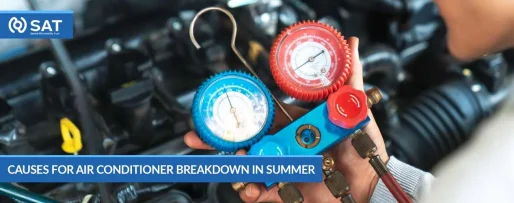
AC Car Issues on A Hot Day?
When driving on a hot summer day, the last thing you want is for your engine to overheat and your air conditioner to break down. No one wants car AC issues in the middle of a warm drive! No worries, we bring you our expertise to guide you regarding this troublesome experience, and to diagnose your car AC issues for you.
If your car AC isn’t working in the summer, it could be due to a broken air compressor for car or an unengaged clutch. Other common car AC issues could be caused by overheating, low refrigerant levels, and insufficient lubrication. Ensuring proper maintenance and timely checks can prevent these issues and keep your AC running efficiently.
Overheating is one of the most prominent causes behind your AC to turn off. Most cars have safety features that turn off the AC when the engine gets overheated. Therefore, it is important to take immediate action when your engine overheats.
The “Engine hot AC off” warning indicates that your car’s engine is at its maximum temperature and requires immediate attention. When the engine gets overheated, the system temporarily disables the AC to prevent further damage.
The “engine hot” light also turns on when the vehicle’s engine exceeds normal operating temperature, which can cause the onboard computer to turn off any system that puts more load on the engine, such as the AC system. This way, the vehicle’s system helps avoid potential engine overheating and costly repairs.
Overheating can occur as a result of many factors, including:
Malfunctioning of the cooling system
Radiator
Thermostat
Water pump
So, let us explore these reasons in more detail.
Insufficient Coolant Level
Running your vehicle on low coolant is a common cause of engine overheating. Insufficient coolant level obstructs the coolant system, leading to overheating. To manage this, you will have to add a coolant reservoir. Also, inspect the hose and radiator for leaks before refilling the coolant.
Temperature Sensor Malfunctioning
The temperature gauge is crucial as it shows when the engine starts to overheat. The temperature gauge receives the instructions from the temperature sensor. The breakage of the temperature sensor can result in incorrect reports and excessive heat that can cause permanent damage to your engine.
Heavy Load and High Ambient Temperature
Operating your vehicle in hot temperatures, driving it for extended periods, or towing a trailer can put strain on the engine, hence increasing the risk of overheating.
Overheating occurs when the engine does not cycle enough coolant through the cylinders and blockheads, which means that the heat cannot be transferred away from it.
Blown Up Head Gasket
A head gasket is a seal between the engine block and cylinder head. Its role is to keep the combustion gases in the cylinder and prevent engine oil and coolant from entering. An issue with the head gasket is difficult to diagnose because you will have to take the engine apart to identify it.
There are, however, other symptoms that can help you identify whether your head gasket is blown or not. They include engine overheating, white exhaust smoke, low coolant levels, and a strong, sweet smell of heated coolant.
Here are some of the things you can do with an overheating engine and air conditioner breakdown:
Turn off the Engine and Pull Over
As you notice the “engine hot AC off” warning, you should find a safe place and park your vehicle there. Turn off your engine so that it can cool down and you can save your vehicle from any damage. By turning off your car, high engine temperature stops safely.
Inspect for Leaks
Look for signs of coolant leak, including puddles underneath the vehicle or steam from the engine bay. Leaks can cause coolant loss along with overheating issues.
Check Coolant Levels
When your engine is cooled down, check the coolant level. If the level is low, it is possible that it causes your engine to overheat. Refill the coolant by the manufacturer’s recommendation. Before opening the radiator cap, wait for the engine to cool down.
Call for Assistance
If the issues continue and you are not sure how to proceed, it is preferable to contract a professional mechanic or get roadside assistance for further guidance.
Air conditioner breakdown due to overheating engine is a serious problem that must be addressed. Parking your car in the sun for too long and not maintaining it until the warning light comes on can cause you costly repairs.
The first thing you should do is pull over and evaluate the situation. It is preferable to turn off your engine because driving with an overheated engine can cause permanent damage to the engine.
Check if the engine is overheating and consult a professional.
If you are in a situation where you cannot stop your vehicle, then turn on the heat so that heat can be pulled from the engine bay.
Also, roll down the windows so that heat can flow out of the vehicle.
Regular maintenance of your vehicle plays a significant role in preventing engine overheating. Here are some of the preventive measures you can take:
Check Belts and Hoses
Firstly, inspect belts and hoses for signs of cracks, as it can lead to coolant leaks and engine overheating.
Scheduled Servicing
Following the service schedules for coolant flushes, engine maintenance, and radiator inspections is important. This will help ensure that your vehicle is running smoothly and prevent any potential issues down the road.
Monitor Coolant Levels
Check the coolant level regularly and top up as needed to make sure that the cooling system is functioning properly.
One of the best ways to ensure your engine’s safety is to:
Check your vehicle’s coolant level. Low coolant can be the killer of overheating cars. Therefore, it is important to check the radiator and expansion now and then.
What you can do is check the coolant level of your vehicle every time you fill up the gas, It will allow you to stay on top of the vehicle’s cooling system health.
Also, pay attention to your car’s temperature gauge. Not keeping an eye on your car’s temperature gauge can cause it to overwear, and cause AC and car issues.
Lastly, ensure regular maintenance of your vehicle for it to work for many years.
The Air Conditioner Breakdown warning is a very crucial safety feature that is designed to protect your engine from overheating. By understanding the causes behind engine overheating and by following safety measures to protect your engine’s health, you can easily prevent any potential breakdowns. SAT Japan remember to maintain your vehicle regularly and reduce the risk of encountering this warning.

Owning a well-functioning vehicle, we can often forget the convenience and ease our cars bring to our lives. Every driver must be well-informed about the internal mechanic health of their car to avoid regular trips to the mechanic. The health of all your car’s mechanical organs is just as much your concern as your local technician’s. Staying well-informed helps you avoid any unnecessary faults and charges in the future.
The emission system problem in Honda vehicles arises from foundational catalytic converter problems. The function of Honda’s emission system is to reduce the pollutants emitted into the atmosphere. Ironically, in the case of a Honda emission system problem, there is an increase in these pollutants.
The manufacturers of Honda updated the Honda Pilot engines and introduced new modes to their emissions according to driving power. During low-power demand driving, the second-generation Honda Pilots have cylinder-deactivation hardware that allows the engine to shut down one bank of three cylinders, resulting in multiple emission problems.
There can be numerous possible causes behind the emission control system problem in Honda. Common issues include bad oxygen sensors, leaking exhaust, faulty cylinder deactivation, bad fuel injection, and faulty catalytic converters. Let’s have a look at some of these in detail.
The role of the oxygen sensor is to monitor the level of oxygen in the exhaust gas. A faulty sensor can lead to increased emissions of toxic pollutants.
The catalytic converter has the main function of decreasing harmful emissions after fuel is processed. The catch is, that a defective catalytic converter can typically do the opposite and lead to an increase in emissions. Reasons for a faulty catalytic converter can be contamination by other gases and fluids. Physical impacts to the body of the car can also lead to damage to the converter.
The fuel injector in a car ensures the right amount of fuel is being combusted at a time to run the car. A damaged fuel injector can cause the engine to run lean, leading to damage to the catalytic converter and the production of harmful emissions.
Damage or a leak in the exhaust system can also cause unfiltered exhaust gases to escape and trigger the warning.
The function of Exhaust Gas Recirculation (EGR) is to control the recirculation of exhaust gases into the intake manifold. The malfunctioning EGR valve can cause emission problems.
It measures the air entering the engine and assists in controlling the air-fuel mixture. Its malfunctioning can lead to emission issues.
The faulty sensor is one of the most dominant causes of emission system problems indicator in the 2017 model Honda Pilot. The oxygen sensor is responsible for controlling the emission of exhaust gases from the engine. If the sensor detects emission to be very high, it will cause the warning light to illuminate.
A catalytic converter and a faulty air-fuel ratio also caused the emission system problems in the 2017 Honda Pilot. Though all these issues can be resolved with simple repair and adjustment, failing to fix the issues can result in further serious problems like engine damage.
The primary symptoms of Honda Pilot Emission System problems include poor acceleration, rough idleness, stalling, and hesitating. One of the primary causes of this issue is a faulty catalytic converter, as discussed above.
The issue with the oxygen sensor is another possible cause of emission system problems in the 2018 – 2020 Honda Pilot models. The oxygen sensor measures the level of oxygen present in the exhaust fumes and passes the information to the vehicle’s computer. In case of malfunctioning, the computer cannot adjust the appropriate air-fuel mixture, leading to uneven combustion and an emission system problem.
The last cause of the emission system problem in Honda Pilot is the leak in pipes, hoses, and components linked with the exhaust system. The mixture of separated fuels can cause harmful fumes to be produced.
One of the most prevalent emission-related issues in Honda Pilot is catalytic converters issues. If your vehicle is facing this issue, take it to a professional mechanic immediately. Driving the vehicle with a malfunctioning catalytic converter can cause damage to other parts of the vehicle, leading to a decrease in fuel efficiency. It can also lead to engine failure in some scenarios.
Some of the errors in emission system problems can be fixed easily, while others can only be fixed by trained technicians. Here are some of the guidelines for resolving an emission system error.
If the issue is associated with the sensor or actuator, you can fix it easily by replacing it. The engine temperature and oxygen sensors are quite affordable and easily accessible. While doing the replacement, it is crucial to reset the Honda Pilot emission check system alert.
It is challenging to resolve the VCM problem due to the limited access to the VCM unit located in the rear cylinder head. To get access to the VCM unit, the intake manifold has to be dismantled completely. Only a professional mechanic can fix the issue efficiently without making a mistake.
Tracing the problem can be difficult if the errors are occurring as a result of a wiring harness issue. The Honda Pilot uses in its wiring harness an environmentally friendly soy-based insulation and if the insulation gets damaged, only professionals can fix the issue.
To deal with potential fuel injectors or problems in the third-generation Honda Pilot, Honda issued a series of service bulletins for Honda Pilot models from 2016-2018. If the vehicle still has the warranty, Honda will cover the expense. Otherwise, the cost of this repair will be at least $500.
If your vehicle is dealing with an emission system problem but working smoothly, the chances are that it is in its limp-home mode, which can affect its performance and also impair its drivability.
The system will protect the engine if there is an indication of a misfire, but driving with a misfire can cause more damage to the oxygen sensors and catalysts. Therefore, it is best to pull over and consult with a mechanic.
In the third-generation Honda Pilot, another complication that arises is the injector failure because it promptly locks the transmission in the third gear and illuminates the instrument cluster with transmission and engine warning lights. SAT Japan emphasizes the importance of addressing these issues promptly to avoid further damage and ensure safe driving.

World-renowned car manufacturers, on a global level, have produced a multitude of distinguished cars for enhanced performance, and adorned with some of the most sleek designs. These brands have made their mark in every country by creating absolutely spectacular vehicles with beautiful designs, all with included high-tech features.
The most bought car of 2024 would be the Ford F-Series. The F-Series, with a combination of reliability, versatility, and power, has outdone other vehicles and has managed to land as the most-bought vehicle of 2024. With its powerful performance and technology, along with its high resale value, it has dominated the markets.
With a plethora of some of the best automobile brands on our website, we bring our expertise to our customers to help them pick out some of the best brands and their specifications. With a car for everyone with every type of need, here’s a look at the top 12 car brands for the year 2024 that you should consider.
Manufacturers of power equipment, motorcycles, and automobiles, Honda is known for its reliability, comfort, and safety features, which keep the brand on top at all times. Standing as the biggest producer of internal combustion engines, the brand has produced a wide range of cars, including the first hybrid car in the US. Other successful models include the CR-V, Accord, Passport, and Ridgeline, known for their gas mileage and design.
CR-V: Advanced Safety Features, Versatile Interior (SUV)
Accord: Comfort, Reliability | Sedan
Passport: Off-Road Capability, Spacious Interior | SUV
Ridgeline: Utility, Comfort
For decades, Toyota has held a leading place among car manufacturers, especially among Japanese brands. Credit is usually given to the brand for the ability to make reliable and quality cars with super tractive powertrains and safety features. Some of the car models include RAV4, Land Cruiser, Avalon, and Sequoia.
RAV4 — Fuel efficiency, all-wheel drive
Land Cruiser — Off-road capability, luxury features
Avalon — Comfort, advanced safety features
Sequoia — Spacious interior, towing capacity
Ranked among the top 10 Japanese vehicle manufacturers, Nissan seems to take its rightful place among competitors. From sleek sports cars to fast and highly customizable cars, the brand knows a thing or two about versatility for its customers. Ranging from sedans to compact SUVs, the most popular models in this brand include the Sentra, Murano, Kicks, and Armada.
Sentra—Sedan: Fuel Efficiency, Modern Features
Murano—SUV: Comfort, Advanced Safety
Kicks—Crossover: Compact Size, Fuel Efficiency
Armada—SUV: Powerful Engine, Spacious Interior
Nissan Skyline GTR R35: Legacy, Functionality, and Performance
It defines the top manufacturing houses that produce quality cars, uniquely designed and sporty handling vehicles. Known for technological innovation in the car segment, and for producing a wide range of various models since it began manufacturing, Mazda has models like CX-5, Mazda6, CX-30, and Mazda5, with Mazda 5 having won multiple accolades.
CX-5: SUV—Stylish Design, Advanced Safety
Mazda6: Sedan—Comfort, Performance
CX-30: Crossover—Fuel Efficiency, Versatility
Mazda5: Minivan—Spacious Interior, Reliability
Lexus is a division of Toyota, a range of Toyota in more luxury. Known for its sharp design, a variety of advanced technologies, and high quality overall, the Lexus stands for another brand that has been producing some of the best vehicles in the auto industry. It includes popular models like the GX, RC, IS, and LX, exuding luxury, performance, and reliability.
GX 4WD: Great luxury in its cabin, off-road rig
RC Coupe: Sporty design bunched with performance
IS Sedan: Advanced flair technologically and comfort-wise
LX 4WD: Vast interior and power
Just as we saw Lexus being a luxury division of Toyota, we have Infiniti, the luxury division of Nissan, touting higher performance, advanced technologies, and designs done to the last detail. The most famous models are the QX50, QX55, Q60, and QX80, known for their luxury and innovative features.
QX50: A crossover with advanced safety features, and stylish design.
QX55: A crossover offering modern features through advanced performance.
Q60: Coupe offering sporty design and comfort.
QX80: The SUV is known for its power and versatility.
Subaru provides best-in-class all-wheel drive capability for excellent traction and balance. Some of the popular models include Ascent, Crosstrek, WRX, and BRZ. These models come with advanced safety features and high resale value. For both urban driving and off-road adventures, Subaru has every model to offer its customers.
Ascent (SUV): The interior is spacious with top notch safety
Crosstrek (Crossover): Fuel efficiency plus off-road capability
WRX (Sedan): Performance plus symmetrical AWD
BRZ (Coupe): Sporty, and good for adventure
Mitsubishi’s strong points lie in low-emission and fuel-efficient vehicles. Some popular models include Eclipse Cross, Outlander Sport, Mirage, and L200, which has been styled as a practical yet fun ride.
Eclipse Cross—Crossover with Stylish Design, Advanced Safety
Outlander Sport—SUV with Versatility, Comfort
Mirage—Hatchback with Fuel Efficiency, Spacious
L200—Pickup with Utility, Off-road Capability
Suzuki is known for orienting its vehicle production towards reliability and low cost. The brand is widely popular with Baleno, Ignis, S-Cross, and Ertiga models. These cars have a good level of fuel efficiency, along with compact dimensions and a decent cross-country ability.
Baleno—hatchback: Fuel-efficient and with modern-oriented features
Ignis—crossover: Compact with versatility
S-Cross—Versatility and fuel-efficiency
Daihatsu is known for producing high-quality compact cars and off-road vehicles. Among the favorite models are the Rocky, Hijet, Terios, and Mira Tocot, appreciated for their fuel efficiency and practicality. These cars are renowned for their practicality, along with being perfectly fuel-efficient solutions, resulting in budget-friendly and compact, whilst maintaining their versatility.
Rocky (Crossover): Off-Road Ability, Tasteful Design
Hijet (Mini Truck): Utility, Fuel Efficiency
Terios (SUV): Versatile, Comfortable
Mira Tocot (Kei Car): Budget, Reliable
Isuzu has been known to produce stable and strong vehicles that find their place among the trucks and commercial vehicles. Some models that are popular among the customers include V-Cross, MU-X, D-Max V-Cross, and N-Series. With their history dating back to 1916, they have established themselves as a protruding manufacturer of buses, diesel engines, and trucks. Their commercial vehicles are designed to meet the requirements of various industries, including construction, agriculture, and transportation.
V-Cross SUV: Off-Road, Spacious Interior
MU-X SUV: Comfort, Power
D-Max V-Cross Pickup Truck: Utility, Reliability
N-Series Truck: Commercial Use, Durability
Above, we have listed some of the most dependable and durable car brands available in the market. Each of these companies has various features and advantages, tailored to ensure you drive away in a car catering specifically to your needs and preferences. No matter what you’re looking for in your car—as much cutting-edge tech as possible, fuel efficiency, or simply great reliability—each of these brands has your back. SAT Japan is the leading platform for used cars for sale, so now that you have decided which car to buy, let us know! Or, better yet, head to our website and start browsing through our collection to find your perfect fit.
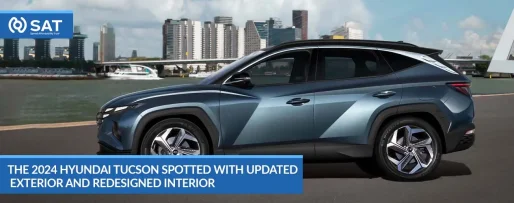
The preceding Hyundai Tucson model has made a wide impact in Europe, making it a fan favorite to begin with. There’s no doubt that when the latest Hyundai Tucson facelift was unveiled for the European market, fans were counting down the days till all its features and specs were disclosed.
To put things into perspective, let’s first discuss the original model released by Hyundai, offering hybrid technology, a sleek design, and many more reliable features that make it an ideal choice. This vehicle comes with immaculate new features, presenting a blend of safety and innovation with its car finder GPS, remote control, stolen car slow-down and stolen car finder, remote control lock, remote control horns, and remote control lights, speed alert, monthly vehicle health report, roadside assistance, SOS assistance, and the helpful infotainment and GPS tracking system.
The Hyundai Tucson Hybrid 2022 model was an innovative and well-designed vehicle to begin with; hence, after it gained popularity in Europe, fans could not wait for the release of the latest model. In the new Tucson model released by Hyundai, most changes are made to the interior, keeping the exterior almost the same. The Tucson facelift features a redesigned grille with more defined detailing and discrete parametric jewel daytime running lights (DRLs). Flanked by LED headlights, there is a mildly revised bumper; however, there are some big updates for the premium midsize SUV, particularly from the inside.
The vehicle was launched in Europe in early 2024, and the updated model will be introduced by the end of 2024. The exterior design of the Hyundai Tucson follows the “parametric dynamics” design language. On that note, the side profile is pretty much the same, as there are no significant changes except for the alloy wheels, which seem fancier because of the updated diamond-cut design. The rear profile has not been revealed yet, but Hyundai said the skid plate is integrated into the bumper and will be broader than before.
The most prominent alterations in the new Hyundai Tucson facelift are that the vehicle has a new dashboard featuring horizontal lines, a 12.3-inch digital cluster, and a 12.3-inch infotainment system. Below the touch-screen infotainment system, lies the sleek AC vents and the Korean marque that have brought back some physical controls for climate control.
There is a new 3-spoke steering wheel with a round horn pad that seems sporty and retro simultaneously. The position of the gear has changed to the steering wheel column. It provides space in the center for an innovative wireless smartphone charger and a sleek cup holder. The switchgear has also been updated, making the interior look chic, with a touch-sensitive button to control the HVAC.
Now, coming to the features, the majority of the details would be similar to existing Tucson, including Android Auto, wireless Apple CarPlay, a panoramic sunroof, a Bose sound system, powered front seats with ventilation, a powered tailgate and keyless entry with a push button. This vehicle carries an air of opulence with it, upgrading your look and lifestyle with the ease and comfort it has to offer.
As for safety, it offers an anti-lock braking system for your safety, with electronic brakeforce distribution, a 360-degree camera, six airbags, electronic stability control, and an advanced driving assistance system which makes your vehicle the safest one on the road.
Hyundai has not revealed the specifications for the engine, and the feature list is not official yet. We can expect some major changes for the 2025 Tucson. The existing models offer an array of fuel types and powertrains. For example, the base engine is a 1.6L turbocharged hybrid unit that generates 226 hp while the Tucson will be upgraded to the top-of-the-line PHEV ups that produces 261 hp.
Hyundai has not announced the official release date for their 2025 Tucson, but it is expected to be unveiled next year. Hyundai relentlessly pushes the boundaries of innovation and excellence to provide its customers with an even better deal each time. Furthermore, the hybrid engine makes this one-time investment paramountly fruitful and it is not only cost-effective but also helps you lower your carbon footprint on the environment. Now this is what you call a truly efficient and modern hybrid SUV model. The price for Tucson ranges from $28,585 to $46,535, but the new launch is expected to have an increased price tag.
SAT Japan, a leading platform for used cars for sale, has all the information in the car world. Hyundai Tucson and Subaru Forester have been rivals in the compact SUV segment for a long time. In the Hyundai Tucson vs. Subaru Forester game, Hyundai is winning in terms of style statement, technology, and features. After the recent announcement of the 2024 Hyundai Tucson, Subaru will have to come up with something spectacular to stay in the game. What makes Hyundai a much more appealing purchase is that budget-conscious individuals can also find a used Hyundai Tucson for sale, which suits their budget.
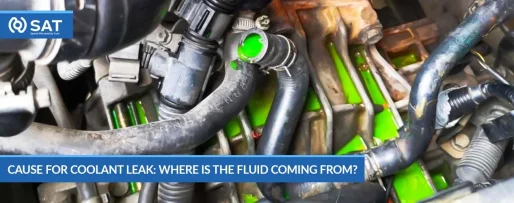
The engine maintains its optimal operation temperature through a straightforward method. First, the liquid flows over the engine block, absorbing the heat generated. Then, it returns through the cooler, releasing and distributing the collected heat, ready to be recirculated to continue the process. There are a couple of reasons why your vehicle’s coolant level might be low; moreover, you cannot always blame the leak.
For example, you might just have changed the coolant, and the airlocks in the system are now cleared, and the coolant needs to be topped up to the correct level.
However, if you haven’t renewed the coolant, the culprit might be the leak either from the radiator or elsewhere. The coolant is present in a sealed system, so usually, the coolant level does not change if it is checked when the engine is cold. When the engine is warm, its level rises as water expands when it’s hot and falls back to the mean level as it cools down.
Some of the common reasons for an engine to lose coolant with no visible leak signs include:
Internal leakage of the head gasket into the combustion chambers.
Worn turbocharger seal leaking into the exhaust system.
Pressurized coolant seeps out of the radiator cap as steam.
The coolant leak is too small to notice and might evaporate.
External – If you notice a leak on a hose, engine block, or radiator and see coolant leaking from the bottom of the car, it is an external leak.
Internal – if you cannot see any puddles beneath the vehicle, but your coolant is dripping, it’s probably an internal leak that has occurred, which means your coolant is leaking into the engine.
Here are some of the possible causes for an external leakage of your car coolant:
Coolant Pump Seal Leaking
The coolant pump has a tightly-clasped seal that prevents it from leaking past the bearing. If the seal is not functioning correctly, the coolant can seep out where the coolant pump pulley shaft enters the pump housing. If the pump gasket fails, a leak can occur between the engine block and the pump.
Radiator Leak
Stone chips and deterioration can be the radiator’s worst enemy. The issue is that if the radiator leak is small, the coolant can evaporate even before pooling on the floor, not letting you find its precise location. So, if you cannot find the apparent radiator leak, look for small puffs of steam missing from the radio when your car is hot. You might momentarily be able to smell the coolant in the engine bay.
Split Coolant Hose
Even the tiniest pinprick in a hose can cause a coolant leak. Sometimes, this leak can only be observed when the engine is hot. When a car is just ticking, there isn’t enough pressure in the system for the leak to be apparent. However, you can see coolant leak symptoms around the leak area as it leaves behind a colored residue. If you take a good look around the engine, you will be able to see more significant splits. The splits can also be caused by metal clips that secure hoses.
Heater Matrix Leaking
Your vehicle’s coolant keeps you warm in the winter through the heater matrix. The heater matrix is mounted behind the dashboard and occasionally leaks. Because of its concealed location, finding a leak can be difficult. However, if you have recently noticed condensation and coolant loss on the inside of the window, the matrix might be at fault.
If the coolant level drops without any external leak, then the coolant leaks from inside, trickling into the engine. If your vehicle has been overheated recently, it can cause the head gasket to fail. If that’s the case, it can cause coolant to leak into the combustion chamber because of the mixture of fluids.
Common signs of internal gasket failure include:
Coolant mixed with the oil.
Overheating vehicle.
White smoke comes out of the exhaust, even when the engine runs optimally.
Coolant bubbling.
Dripping water from the exhaust manifold.
Knobbly running and poor starting of your vehicle.
Air Pockets in the Cooling System.
The head gasket leak can be analyzed by testing for hydrocarbons in the coolant system. You will know the gasket is blown if there is a presence of hydrocarbons.
Read more, click here to learn about can we put water instead of coolant?
Not sure where the antifreeze goes? Here is how you can find and fix the issue’s source.
Check Coolant Reservoir Levels
If you notice any symptoms of coolant leak with no visible symptoms of coolant loss or no visible leaks, then it is preferable to check the reservoir before driving any further. If you cannot find any visible leaks, you should not start the engine again until you can derive the fault and add more coolant.
Find the Source of the Leak With UV Dye
To know where the leak is coming from, the best option is a UV detection dye that is poured directly into the radiator. As the dye circulates through the cooling system, leaked coolant in your car will become visible under black light.
For internal leaks, UV dye is ineffective, requiring you to do a leak-down test. This test will consist of injecting compressed air into the cylinder and gauging the amount that leaks out.
Consult a Professional
If a bad radiator cap is the cause of a coolant leak or a collapsed hose, you can buy the parts from any auto shop and replace them yourself. However, if the head gasket is cracked or faulty or you can’t find the coolant leak, you may want to consult a professional. The average repair costs for coolant leakage in your car can range from around $200-$400. Depending upon the size of the leak and its location, you might also want to consider using a radiator stop-leak product; they are used to fix damages in the radiator, and the seal leaks in aluminum, metal, and plastic.
However, the majority of manufacturers suggest you avoid using these products as they might cause engine issues and even long-lasting damage to your vehicle.
Experiencing low coolant levels without any visible signs of leaks can be exhausting. However, it is essential to address this issue to prevent engine damage from overheating. You can start by checking visible signs of leaks, and if you cannot find any, consider the possibility of cap issues or internal leaks. Suppose you are unable to identify the problem yourself. In that case, you may seek assistance from a professional who can identify the cause and make necessary repairs to ensure your cooling system is in optimum condition. Regular inspection and maintenance are essential to ensure your vehicle’s cooling system is functioning optimally and protect your engine from potential damage. SAT Japan, the leading distributor for Used Cars for Sale, can also help you find high-quality vehicles with well-maintained cooling systems.
When we discuss the power and performance of the engine, terms like CC and HP, cubic centimeters (CC), and horsepower (HP) are often used as part of the discussion. These metrics provide accurate insights into the engine’s capability and represent different aspects of its performance.
The prime difference between HP and CC is in their definition. Let’s break down the distinction between CC vs. HP and shed light on how they individually contribute to the engine’s overall performance.
It is the measurement of the power of the engine. Horsepower (HP) is one of the most relevant units that measures an engine’s power output. It presents the rate at which the engine can perform. The higher the HP, the more energy the engine can generate and deliver.
Horsepower plays a critical role when considering the vehicle’s performance. Cars with high horsepower exhibit quicker acceleration with greater speed potential. Fuel efficiency, engine design, and mechanical efficiency are some of the prime factors that influence horsepower. People looking for high-speed vehicles usually focus on the HP of a vehicle to determine its engine power and speed at first glance.
Two main types of horsepower are referred to.
Frictional or Wheel Horsepower – This value includes the power lost by the wheels due to transmission, friction, and other drivetrain components because of friction. This is the net value of energy produced with the wheels on the road.
Indicated or Brake Horsepower – It is the original power used by an automobile engine.
To understand the performance and speed of the engine, you need to be aware of both values of horsepower.
It depicts the measurement of the volume of the engine. Cubic centimeter (CC) refers to the total volume of all the cylinders in the engine together. In simple words, CC is the measure of engine size that shows the amount of fuel or air the engine can fill within one complete castle. A higher value of CC depicts a larger engine size with more cylinders or larger cylinders.
The cubic centimeter plays a vital role in determining the engine’s torque output. The torque is the amount of driving force produced that propels the vehicle forward. More significant engine displacement usually means higher torque, which is highly useful for towing and accelerating from a standstill.
The CC on a vehicle shows the total volume of all the cylinders in that particular engine. Hence, a 1 Liter engine means that there is a 1000 cubic centimeter capacity in the engine. You can achieve a higher CC by making the vehicle’s engine larger and more robust.
CC measures displacement, while horsepower measures the engine’s ability to perform.
The CC of the engine remains constant, while the HP is variable.
CC is measured in cubic centimeters, while horsepower is measured in kilowatts.
HP is the power measurement unit, while CC is the engine’s capacity.
HP signifies the vehicle’s speed, while CC indicates the physical dimension of the automobile engine.
All in all, the relationship between the two is much less a cc vs. horsepower rivalry, rather they are used together to understand your engine performance. Both Cubic centimeters and horsepower are essential factors to consider when comparing vehicles or exploring engine options. However, when it comes to performance, they are measured differently.
In the horsepower vs. cc debate, If your priority is top speed or brisk acceleration, HP will be your prime consideration when selecting the vehicle. However, if you are looking for low-end towing capacity, then CC takes the spot.
It is important to note that the perfect balance of CC and HP is based on your needs and preferences. A vehicle with higher engine displacement has a higher torque, but there is no surety that it will be fast if its HP isn’t optimized. Just like that, a higher HP indicates higher speed, but it can lack displacement.
Whether your priority is speed or engine size, ensuring proper vehicle maintenance is essential for it to work optimally. Regular care and servicing of your vehicle can help you maintain the health of your engine and prolong its lifespan.
The relationship between CC and HP is based on various factors, including efficiency and engine design. However, according to a general rule of thumb, one HP roughly equals 32.5 ccs. Knowing this, the deduced formula of conversion is as mentioned below:
HP = CC/15
Additionally, if you are aiming to convert CC to HP, then 1 HP unit is equal to 32.5 Cubic Centimeters.
Through this formula, you can convert CC to HP. Several factors affect the vehicle’s displacement and horsepower. For example, when it comes to the engine’s displacement, the engine design, stroke, bore, and number of cylinders determine the result.
Similarly, engine design, capacity, timing, size, and the type of fuel added to the engine influence the vehicle’s horsepower. Moreover, the type of fuel you use also affects the HP.
Knowing the basic difference between HP and CC, and being able to convert horsepower to cubic centimeters assists in making an informed decision when evaluating cars and their performance. HP represents power output, and CC indicates engine displacement and torque. By considering both factors, you can determine the relation between these and understand your driving needs. It will help you choose a vehicle that aligns with your preferences and help you get the experience you desire. At SAT Japan, we are the leading distributor for Used Cars for Sale and have all the authentic information about the cars to support your decision-making process.
Known for elegance and functionality in high-performing cars, this Japanese manufacturer is ready to take the automotive market by storm with the new generation of Macan EVs. Although not yet available, SAT Japan brings you exclusive details we know of the model so far.
A manufacturer mostly associated with best-selling sports cars, Porsche has announced their plan to bring an all-electric variant of the most popular Macan SUV in 2024. A fantastic beast overflowing with expected performances in terms of powertrain capabilities, usual sleek design, and state-of-the-art technology.
The new 2024 Porsche Electric Car Macan EV is going to be the most advanced, stylish, and powerful variant ever made. It reportedly has 603 horsepower, with 737 lb-ft of torque—pretty potent for an EV.
Since this model was first introduced in 2014, there have been quite a few refreshes to the Macan, improving trims and power to match up with the modern lineup from Porsche. Now, a full decade later, the brand has decided to give it a fully electric variant, which will be the second Porsche model to not have an internal combustion engine.
The Macan EV is said to boast incredibly valuable interior gems like:
A Configurable 12.6-inch digital instrument cluster
Round start button and razor-shaped shifter – both very much in Porsche-esque fashion.
10.9-inch touchscreen display running on Android
This allows booting up instantly for third-party apps like Music, Spotify, YouTube, and Amazon.
Developed Smartphone Integration
You’ll have perfect integration with Android Auto and Apple CarPlay. This is to cater to its customers as more than 85% of its owners are Apple users.
Augmented head-up display technology
This projects interactive color-coded symbols such as arrows for navigation, right in the line of vision, never letting a driver’s eyes leave the road, increasing safety and comfort.
The Macan EV has a steel platform and a body composed of different materials, making it a strong five-seater. With a length of approximately 4,726 mm, and variable ground clearance with an air suspension system, the Macan gives its competition a hard time. Here are some of the specifications we know about the powerful model:
Wheelbase: Approximately 2,807 mm (110.5 inches)
Curb Weight: Around 2,250 kg (4,960 lbs)
Battery Pack: 100 kWh lithium-ion battery
Cargo Space: Up to 500 liters (17.7 cubic feet) behind the rear seats
Tire Size: Front – 255/45 R20, Rear – 285/40 R20 (standard)
Wheels: 20-inch alloy wheels (standard), with optional 21-inch or 22-inch upgrades available
Chassis: Steel platform with a body made of various lightweight materials for optimal weight distribution and strength
The capable powertrain consists of dual motors with all-wheel drive and a rear-biased handling configuration for optimal weight distribution and explosive performance. The Macan EV flaunts the following:
Horsepower: Up to 603 hp (top variant)
With a 737 lb-ft of torque, the vehicle promises a most exciting ride.
The Macan EV not only brings performance and elegance but further enhances it with options for the utmost comfort and reliability of its customers. With features such as charging capacity and cooling systems, it makes sure to allow the driver to feel the peace along with the thrill.
Charging System:
This feature makes it convenient for users to quickly charge their vehicle and get back on the road.
Electrical System: 800-volt architecture for fast charging
Charging Time: Can charge from 10% to 80% in less than 22 minutes with a fast charger
Cooling System: Advanced thermal management for optimal battery and motor performance
Drive Modes: Multiple drive modes including Sport and Eco for tailored driving experiences
Read more: Click here to learn about the latest top eight Japanese sports cars that redefined automotive excellence.
The Macan EV is likely to hit the markets in 2025 as a model, with its debut in January 2024.
The electric Porsche car is, therefore, sure to be an industry game changer in terms of its iconic design and performance. With advanced technology and greener driving experiences, the Macan shall service many needs and preferences of drivers. The Porsche Macan EV will deliver outstanding driving with advanced features, high performance, and sustainable design.
This purely electric SUV will be infused with the soul of a sports car and will grant agility, lightness, and smooth handling. When this model hits the market, it surely will appear in all lists of auto enthusiasts seeking something powerful yet eco-friendly. SAT Japan is the leading distributor for Used Cars for Sale, ensuring that this innovative vehicle reaches enthusiasts and eco-conscious drivers alike.

The Nissan Juke was a highly efficient subcompact SUV that aimed to change the landscape of driving and car ownership altogether. The Nissan Juke was originally a hybrid automatic mobile, which was intended to be updated as an electric vehicle model. Unfortunately, the Juke was ahead of its time when it was released in 2011, because although subcompact SUVs were alien to the automobile industry then, they have become a lot more popular now amongst car buyers. Hence, what didn’t gain popularity back then, needs to make its place in the market now that it has made immense developments.
Nissan is making a significant move towards electrifying its lineup with a primary focus on their most popular models, including Qashqai and Juke. The beloved and funky Nissan Juke for Sale that found a friendly audience in the U.S. was discontinued six years ago. However, it is going to make a comeback with a significant twist. It is set to be reborn as an electric vehicle (EV) for the European market by the end of this decade.
However, if one is searching for the features because they came by a Nissan Juke for sale, this piece will give you all the details you may need. Coming with the option to customize the body and accessories according to your style, this was an exciting development for the electric vehicle market, but it was sadly short-lived.
The new model was anticipated to come with space-age designs and not have any combustion engine option. The resolve to discontinue and improve the Juke is the depiction of commitment, sustainability, and innovation in Nissan’s automotive industry. However, over the years, the juke was fully discontinued, and a new line-up was promised which would change the perception of electric vehicles as unattainable altogether.
The plans for an all-EV lineup were announced in September, and Nissan has recently confirmed their plan to manufacture the Nissan Leaf in the U.K. Chief executive of Nissan Makoto Uchida said that their team will be manufacturing, designing, and engineering the future vehicles, driving everyone towards an all-electric future. Mr. Uchida also hopes to manage the lagging EV sales by reducing the price of battery-powered cars to the same level as that of petrol-powered cars by 2030.
Electric vehicles have suddenly taken the world by storm. They are gaining popularity for being the most environmentally friendly alternative to internal combustion engines, which we find in all traditional cars. Considering the emerging order of the world; how expensive fuel has become combined with how quickly our environment is deteriorating, the use of fossil fuels seems like a less viable option for most. Here is a list of benefits EVs provide as an alternative:
There is no emission of greenhouse gases because fossil fuels do not power electric vehicles. Rather they are charged through renewable energy and decrease the carbon footprint immensely.
Not only does it benefit drivers, but it has a great impact on air pollution. Traditional vehicle emissions hold harmful pollutants that are detrimental to all beings. EVs provide a safe and environmentally friendly alternative.
Electric vehicles have lower long-term costs because electricity is cheaper than gasoline or petrol.
Electric vehicles bring diversity in performance because they have a smoother acceleration and drive, which doesn’t make much noise and isn’t prone to breakdowns.
One of the biggest ease electric cars bring is that they can be charged from the convenience of one’s home; what used to once sound like a utopian concept, is widely popular and accessible today.
Read more: Click here to learn about the latest Nissan Skyline GTR R35 Legacy, Functionality, and Performance.
It shows that the biggest Japanese car brands are embracing electric vehicles. Though Japanese cars in the USA are already famous, Nissan is poised to impact the European market significantly and contribute to an eco-friendly automotive future.
With the new EV Juke, Nissan is all set to deliver a futuristic driving experience that captures the essence of the original model while embracing the latest EV technology. The Nissan Juke Nismo will be introduced in the market during this decade, as an upgraded version of its predecessor, which lacks a fuel combustion engine.
The design is determined to be based on a hyper-punk aesthetic, giving the model a hyper-futuristic look both from the inside and out. Nissan is strategizing to make the new EV version the same price as the original Juke model, so it can be affordable and an everyday option. This vehicle will transform the automobile market with its quiet and smooth drive, maintaining cost-effectiveness and environmentally friendly performance.
Since their initial launch could be considered a failure, the production team has been extra careful with the coordination of trends and their car-make to ensure success. Other than the convenience and affordability of the EV Juke, the model will bring a shift in trends and the auto-industry climate.
Hence, the Nissan EV will stand out as the future of everyday commuting cars and introduce affordability into the EV classification of drivers. SAT Japan is the leading distributor for Used Cars for Sale. This vehicle alone will bridge many gaps in the automobile industry and there are many others to be released by Nissan to change the perception of affordable driving once and for all!

The Japanese automotive industry is growing at a rapid pace because of the quality and reliability of the vehicles that keep increasing. Another factor in the success of Japan’s auto industry is the auction house, as Japan’s Used Car Auctions are one of the prime methods of selling and purchasing vehicles.
Japanese used cars auction is a way to achieve the car of your dreams at the most affordable prices. The vehicles at auction are up to 30% cheaper than at showrooms.
These auctions also provide a vast number of options for all kinds of customers, often with detailed customer information and records, along with perfect high quality.
You can explore a vast number of high-quality Japanese used cars for sale at auction houses. Easy access to auction houses and Japanese used car exporters has made selling and purchasing of vehicles through auction a very efficient process.
Japan auction houses offer a wide variety of vehicles with different price ranges. Here are some of the prime advantages of purchasing from Japanese car auctions.
As compared to other brands, Japanese used cars are available at affordable prices. With the added benefit of no extra dealership profit margin, and the possibility of negotiation upon inspection, a Japanese used car auction is the most feasible option for customers.
Due to Japan’s culture of selling off your new car within 3-4 years, it is common to find a massive range of Japanese Car Brands at auction houses. Auction houses offer multiple models with many features, aesthetics, and attributes. Each auction house provides the most outstanding selection for a car with a range of costs and miles.
Only high-quality Japanese vehicles are picked at auction. One of the reasons why Japanese vehicles are in good condition is because of the Shaken Law, which ensures regular maintenance of vehicles, resulting in all buyers getting exceptional quality vehicles.
The worth of your car is raised in the eyes of consumers by the availability of auction sheet reports. Unlike dealers who attempt to pass off fake sheets, at auctions, you are provided with the actual auction report which is authentic and can be proven even after ten years.
Vehicles with very minor damage won’t affect the rating but can help you save money. You may also view the damage to the vehicles in real time. Images and descriptions of every car can be obtained from auction houses.
The majority of people visit Japanese car auctions and websites to find and grab the car of their choice at the most feasible rate. At the SAT Japan car auction, you can explore a wide range of affordable vehicles and bid on the one you like.
SAT brings to you some of the most valuable guidelines for purchasing cars from a Japanese car auction:
Firstly, you need to make a decision about the type of vehicle you want to buy. You can get assistance from Japanese auto dealers or reputable used car exporting companies to make an informed decision. The best move is to search through our catalog of the best-selling vehicles to make your decision.
You can’t take the vehicle from auction to test drive before purchasing it. So, how can you avoid purchasing a repaired or damaged vehicle that might cost you in the long run? Pay attention to the preparatory guidelines to avoid wasting too much money on repairs. Make sure the automobile has been well maintained, and carefully review the service history before placing a bid.
When purchasing a vehicle from an auction, prioritize the specifications and performance of the vehicle. Trust reliable Japanese car exporters to find out details about a vehicle.
In Japan, the age of a vehicle is decided by the age of registration. Ensure you know the manufacturing date or the registration date to make a fully informed decision.
Images can be deceiving if you cannot partake personally in an auction. It is preferable to get assistance from a trustworthy car exporting company to take part in a live auction and see your vehicle thoroughly, or better yet, go through our website for guaranteed reliability.
If you want to be sure about your purchase, it is preferable to not just go for the lowest price option but to be informed about your decision. Any wrong decision regarding the miscalculated quality of the vehicle can cause you several problems down the road. If you do not want to deal with any sort of mechanical issues, choose a newer vehicle that is still under warranty
Purchasing vehicles from Japanese car auctions offers assured quality, detailed guidance, and genuine information about the vehicle’s condition. With around 150,000 vehicles available for bidding weekly, even those with no prior experience can confidently buy through auctions with the help of knowledgeable agents. Our team ensures to keep your quality and safety on priority and our auction service aims to provide you a hassle-free experience with no hidden fees. Ready to find your dream car at an unbeatable price? Contact SAT Japan today and let us guide you through the exciting world of Japanese car auctions!

The infamous Toyota Corolla is a reputed Japanese Car Brand with high-quality designs and progressively technical innovations. Looking at the history of the Toyota Corolla, it is not difficult to deduce why Toyota has become the best-selling Japanese brand.
Reliability, low maintenance cost, and durability are the prime factors that make the Toyota Corolla a prime choice among people looking for stylish vehicles that won’t break the bank. Its history dates back to its inception in 1966 and from 1966, across 12 generations, Toyota has sold more than 50 million models across the globe as of 2024.
Let’s go through the exhaustive evolution of the Toyota Corolla to see how this brand has reached its goal of selling the most vehicles in the world.
The timeline of Toyota Corolla’s history has seen 12 generations in its journey over 75 years. Corolla has maintained its reputation through constant innovation. In the text below, we will look into all the previous generations and see how the Toyota Corolla has evolved.
E10 was the initial generation of the Toyota Corolla, launched in 1966. It was available in 2 different car body types i.e. two and four-door saloons and two-door station wagons. It had three layouts: a front engine with front-wheel drive, rear-wheel drive, and four-wheel drive.
First Generation Toyota Corolla E10 (1966-1970)
This vehicle stunned the world with innovative features and advanced technology, such as bucket-type front seats, floor-mounted gear levers, and enough room for rear-seat passengers.
It featured a 1.1-liter K-series engine generating 59 horsepower and 83 Nm of torque. The old engine was replaced with a 1.2-liter one that produced 67 horsepower and 94 Nm of torque. This is a modest but considerable gain over the prototype’s 44 horsepower output.
The K-series engines were paired with three transmission options, including
Floor-mounted 2-speed automatic transmission
Steering column-mounted 4-speed manual
Fully synchronized 4-wheel manual transmission
2-speed automatic and 4-speed manual transmission were featured for the very first time in a Japanese car. Furthermore, its interior had high-end features of that time, including a radio, a center console box, and a heater. At first, the first generation featured drum brakes; however, midway through the generation, it introduced disc brakes as an option.
The 2nd generation model was introduced in 1970. This vehicle was restyled and modified to offer greater competence with enhanced performance. The car had the option of two types of engines, the 1400cc and 1600 cc OHV engine. Moreover, it also supported a rear wheel drive, a front-engine with three body styles including
Second Generation Toyota Corolla E20 (1970-1974)
2-door coupe
2/4-door sedan
3/5 door station Wagon
3/5-door van
However, shortly after the launch of the second generation, Toyota added a T-series 1.4-liter engine producing 85 hp further to enhance the performance of the Corolla in the high-speed period.
For the first time in the history of the Toyota Corolla, a new coupe body style was introduced alongside the wagon station and sedan. Also, disc brakes came as standard in all models of Toyota Corolla.
The Corolla came with a 5-speed manual transmission, improving the power at high speeds. More than 2.4 million units of the 2nd generation were produced before the third generation’s debut. With remarkable innovation, comfortable interior, and outclass fuel efficiency, in a matter of 8 years, Toyota became one of the best-selling brands in 1974.
The third generation Corolla models were launched in 1974 with the following engine line-up
Third Generation Toyota Corolla (1974-1979)
1.2-liter 3K-H engine
1.4-liter T –series engine
1.6-liter 2T engine
2T-G twin-cam engine
However, this engine couldn’t meet the strict emission standards in 1975. Toyota resolved this issue by equipping catalytic converters in the 1.6 and 1.4-liter T-U engines. Compared to 2nd generation, four models were launched by Corolla in 1974 i.e. E30, E40, E50, and E60. These were heavier and more extensive models of Corolla.
Moreover, some Toyota Corolla models featured a semi-fast back and hard-top design for the first time. Toyota ensured customer satisfaction by actively listening to the criticism and then made significant improvements in the brand regarding vibration, noise, and harness (NVH). To enhance safety, Toyota also introduced features such as impact-absorbing body structure and three-point seat belts as standard on all models.
There was substantial modification in the fourth-generation model in 1979. Being a popular model in a very short time, Toyota continued to make improvements in the new generation.
Fourth Generation Toyota Corolla (1979-1983)
This generation came with different body designs, including sedans, vans, hardtops, coupes, and lifts. Furthermore, Toyota featured a more aerodynamic exterior with aesthetic and sophisticated interior design which started upgrading the brand to emulate luxury and class.
In the Toyota Corolla 4th generation, 1.8-liter, 1.3-liter, and 1.5-liter engines were introduced. Toyota discontinued the 1.8-liter engine in 1981 by introducing the Lightweight Advanced Super Response Engine (LASER). Some of the standout features in the 4th generation include a square halogen headlight type and an electrically adjusted side mirror.
Read more: click here to learn about the Honda Accord vs. Toyota Camry.
The fifth generation model launched in 1983 showed some major changes. During this era of the history of Toyota Corolla, the front-engine, and the front-wheel drive system configuration had taken the place of the front-engine, rear-wheel drive system layout. The fifth-generation Toyota Corolla included the following engine line-up
Fifth Generation Toyota Corolla (1983-1987)
1.3 liter SOHC
1.5-liter
1.6-liter EFI
1.8-liter diesel
Compared to old Toyota models, this generation was sportier and featured an expanded head and legroom for the passengers. Also, a sunroof and central locking car doors were available as an option. On average, 2300 units of this vehicle were produced daily, which was an all-time high production rate.
6th generation of Toyota Corolla debuted in 1988, offering various engine options, including
6th Generation of Toyota Corolla (1988-1992)
1.3-litre engine
1.5-litre engine
1.6-litre engine
1.8-litre diesel engine
Toyota discontinued its rear-wheel drive model and launched a four-wheel drive system in the station wagon and Corolla sedan on the front-drive wheel layout. The high-end Corolla models of this generation featured Toyota Electronic Modulated Suspension (TEMS) to enhance the drive quality further.
What’s impressive is that 308,000 units of this generation were sold in Japan only. This vehicle successfully became one of the best-selling vehicles around the globe because it offered luxury, comfort, and quality to the customers.
Toyota debuted its seventh-generation model possessing an efficient production system in 1992. This generation was superior to all previous generations, offering more functionality and comfort. The petrol engine line-up stayed the same except for the 1.6-liter engine that features a twin cam and sports twin cam with hp 115 and 164, respectively.
Seventh Generation Toyota Corolla (1992-1997)
With extended width, height, wheelbase, and styling, this vehicle looked like a higher-end model as it was larger, heavier, and more aerodynamic than the models it replaced.
Also, the 2.0-litre engine replaced the 1.8-litre one. The integrated front bumper and horizontal radiator grille complemented its sporty exterior. Lastly, projector fog lamps along with airbags were introduced in Toyota Corolla’s history in the 7th generation.
The 8th generation Toyota Corolla rolled out in 1996 with four different body types, including a three-door hatchback, a five-door lift back, a four-door saloon, and a five-door estate. This generation was featured in a 1.6-litre engine coupled to the six-speed gearbox.
Eighth Generation Toyota Corolla (1997-2000)
During the reign of the 8th generation, the Toyota Corolla became the best-selling vehicle of all time. Even to this day, you can find retro Toyota Corolla second-hand models from the 8th and 9th generations in many people’s garages.
With a fully independent front and rear suspension, Toyota drivers can enjoy remarkable driving dynamics and impressive comfort levels with enhanced appeal.
It also offered remarkable safety features, including an anti-lock braking system (ABS), twin airbags, and three-point seatbelts. This generation also won the manufacturer’s championship in 1999. This win also played its part in the popularity of the Toyota Corolla.
In the 20th century, the ninth generation of the Toyota model was launched with minor upgrades. This model added more safety features, including traction control and stability control. With minor upgrades, the engine line-up stayed the same.
Ninth Generation Toyota Corolla (2000-2006)
Engines were paired with the 4-speed automatic transmission and 6-speed manual transmission. It had an updated design language with larger exterior dimensions. It was available in 6 variants Xli, GLi, 2.oD, 2.oD saloon.
With 2600 wheelbase, this model became the most spacious version of the Toyota Corolla. The Lexus premium models inspired the interior of the 9th generation Toyota Corolla.
Since the introduction of the Toyota Corolla in 1966, around 32 million Toyota Corolla models have been sold globally. You can still purchase ninth-generation Toyota Corolla models. The 2000 – 2006 Toyota Corolla models’ prices in the USA vary from $3,000 to $10,000.
Toyota Corolla kept up its popularity with its unique designs and innovations. In 2006, the 10th generation of the Toyota Corolla was launched. This generation came with modern infotainment features with improved safety, enhanced comfort level, a parking assist system, and automatic climate control.
Tenth Generation Toyota Corolla (2006-2011)
When it comes to safety, this generation celebrates an impressive reputation for its reliability and how it can carry on for thousands of miles without causing issues.
Also, this model generates a low level of road and wind noise thanks to relatively robust and decent-quality materials. The engine line-up included 1.5-liter VVT-I and 1.8-liter Dual VVT-I engines. Also, both engines were coupled with CVT-I transmission.
The feature that sets both engines apart is that the 1.8-liter model came with a 7-speed sequential gearbox.
Keeping the demands and preferences of consumers in mind, the 11th generation of Toyota Corolla was launched with smaller, more compact dimensions.
Eleventh Generation Toyota Corolla (2011-2018)
The 11th generation Toyota Corolla is equipped with a 1.8-liter naturally aspirated four-cylinder engine with CVT-I transmission for enhanced performance and fuel economy. The focus of this generation is on improving the design and safety technologies.
Currently, the 12th generation Toyota Corolla is still fully relevant and running. The models from this generation are more comfortable with updated suspension and stiffer springs. The engine specification, however, varies from region to region. For example, the Toyota Corolla for sale in UAE is equipped with a 1.6-litre engine producing 121hp. This generation also included modern safety features and a spacious interior.
12th Generation Toyota Corolla (2018-Present)
In 2023, Toyota has continued the tradition of keeping pace with changes in the automotive industry and preferring the needs and demands of customers. The latest models of Toyota are equipped with greater functionality and faster response. Toyota is also introducing incredibly fuel-efficient hybrid models with front or all-wheel drive.
The new 2023 Toyota Corolla range is more refined with a contemporary appearance. The interior design is more modern, with premium new graphics, trims, and embossed patterns.
Toyota Corolla’s cross history is filled with innovation fusing design and technology. Corolla has maintained its position by manufacturing best-selling vehicles in the world. You can browse popular models of Toyota and get your hands on both new and Used Toyota Corolla Cars for Sale.
The Toyota Corolla has a storied history marked by continuous innovation, reliability, and affordability, making it one of the best-selling vehicles worldwide. From its inception in 1966 to the latest 2023 models, each generation has introduced significant advancements in design, technology, and performance, solidifying its reputation as a dependable and stylish car. The Corolla’s legacy is a testament to Toyota’s commitment to meeting customer needs and staying ahead in the automotive industry.
For those looking to explore and purchase a Toyota Corolla, SAT Japan is the leading marketplace of Used Cars for Sale, offering a comprehensive selection of car models. At SAT Japan, you can not only find your ideal car but also access valuable tips and tricks about car maintenance and buying advice.

As far as sports cars are concerned, if there’s anything Japan has always excelled at, it’s them. Over time, the car manufacturing department of the Japanese auto industry has constantly redefined, not just its classics, but new models that have taken not only the enthusiasts but also the rest of the world by storm. These span from the elegant Toyota 2000 GT to the cutting-edge Lexus LFA, which together raise the bar in redefining automotive excellence through performance and innovation.
Japanese sports car models have had the privilege of standing out amongst one of top-notch rankings worldwide, due to their designing, mileage, and specifications that thrill car enthusiasts. As of 2024, the best rank goes to the Toyota GR Supra, wildly popular amidst customers for its turbocharged engine and refined handling.
The entry of sports cars with good mileage and a sporty style, like the Toyota 2000GT, Nissan 240Z, and Honda S800, took place. The sure milestone of Japanese sports cars becoming the healthy alternative option for German sports cars during the 1980s and ’80s now exists. Nowadays, these Japanese sports cars are taking the tag of sweet investments for the racecars, due to how reliable and economical they are.
As the first supercar Japan produced; the Toyota 2000 GT remains a masterpiece. On its inception in 1967, it debuted a 2.0-liter six-cylinder engine that pumped out 150 horsepower, enabling it to speed off to an impressive 136 mph.
Its first design partnerships with Yamaha—such as double overhead camshafts and triple twin-barrel carburetors—set new performance and design standards. Only 337 of its units were built, which successfully made it a rare collector’s item.
The world saw its first Toyota Supra in 1978. after four long years of its development in progress. The fourth generation appeared in 1993, and with it, a turbocharged version that provided performance to ride with supercars.
Toyota’s fourth-generation Supra, back in 1993, established itself as a straight-line performance legend. Powered by a 3.0-liter inline-six developing 320 hp and with its looks reminiscent of the iconic 2000 GT, it won over enthusiasts as well as tuners. Capable of reaching a top speed of 155 mph and fitted with a rear spoiler, the Supra A80 is forever a hallmark, narrating tales of Japanese engineering magnificence.
The A80 has a very stylish feel to it. The Supra Mk4 is supposed to be a lighter version of its former. It includes carpet fibers along with a magnesium alloy steering wheel that increases the overall development and fuel construction.
Unfortunately for Toyota, it is where the MR2 made its bones, especially the first two midship layouts from 1985 to 1989 and the models from 1985 to 1989 with the second generation in respective years.
With a variety of engine configurations to its name, one of them a pretty decent 2.0-litre turbocharged one with an output of 218 bhp, the MR2 was the scintillating performer in a tiny mid-engine package. The MR2 had a well-balanced handling and distinctive styling compared to its class.
The 1999 Nissan Skyline GT-R R34 is a fan favorite, specifically known for its technological sophistication and the powerful performance expected of a sportscar. It was powered by the famous RB26DETT engine, producing 276 HP.
Besides, it featured sophisticated aerodynamics and a precise 6-speed manual transmission. With a 4.9 second 0-60 mph sprint and a top speed of 156 mph, the R34 redefined the limits of street-legal performance.
The 1989 Mazda MX-5 became a classic very quickly because it is perfectly balanced left to right in terms of weight and it drives like pure heaven. Initially installed with a 1.6L engine, the automaker later put it a 1.8L before the vehicle was restyled and back on the roadster segment.
Autopact keeps updating the MX-5 because it remains very popular and is one of the best models around the world with the concept of driving satisfaction very much fulfilled. Not only that, but this car stands out among some of the most cheap Japanese sports cars, with an affordable price for a great car.
The Acura NSX, introduced in 1990, became a real sensation for the former understanding of Japanese sports cars because of the availability of a mid-engine layout and excellent parameters.
It had an aluminum chassis and a 3.0-liter V6 of 270 hp built with support from Ayrton Senna, Formula One legend. Its dynamic possibilities and everyday usage were something far from commonly known supercars; thus, the engineers had never stopped praising the model for excellent engineering ideas and exclusive reliability.
In 1970, the Datsun 240Z came out and was accepted by aficionados with an idiosyncratic mode of styling and a performance that could be equated with their budget. The 2.4-liter inline-six engine turned out 151 horsepower, making this model an altogether alternative purchase from the skyrocketing price of European sports cars. Compact in size and quick in handling, the 240Z was solid and long on dependability; therefore, it became a splendid commercial success in sales, as well as a symbol of Japanese automotive competence in the world markets.
It has outshined the sales of rival Toyota with its two-door rear-wheel drive sports vehicle. The 160,000 Datsun 240Zs have already been sold in the United States in the first four years after manufacturing. The timing of the introduction of this car was just too perfect, especially in the time of the big price tags of Porches and Corvette, that were too high for consumers to consider the Datsun 240Z to be a cheaper alternative. This car can go 0 to 60MPH in 8.3 seconds and go as fast as 125 MPH.
The 2010-released Lexus LFA represented the peak of Japanese automotive engineering and artisanship. A 4.8-liter V10, 553 horsepower, carbon fiber body, and groundbreaking aerodynamics defined a power-to-weight ratio equal to the world’s greatest supercars.
LFA amounted to a series of precisely 500 units, meticulously hand-assembled—one true concrete example of dedication to maniacal perfection and technological innovation within Lexus. 2005 introduced the car officially in Detroit at the North American International Auto Show with the LFA of 2005
Now these 500 horses were mated with the carbon lightweight body so this meant a power-to-weight ratio of 2.67 kg/hp. Added to this a Nurburgring package was launched subsequently for all the enthusiasts who wanted to pump up their power.
By 2024, the majority of the cars mentioned still hold their graces, as they made history and set performance bars, but here, are a few distinctly contemporary arrivals and updates on Japanese sports cars:
Toyota GR Supra
A barely recent addition of the past few years, captivated by the attention it pulled in as a car designed for performance, although the engine is borrowed from the German carmaker BMW.
Nissan GT-R (R35):
Continuously renewed since its introduction, the Nissan GT-R remains a high-class representative in the class of high-performance supercars that combine the newest handling and very powerful twin-turbo V6 block.
Honda NSX Second Generation:
Revived in recent years, the latest iteration of the NSX combines hybrid technology with turbocharged V6 power, proving Honda’s determination to show innovation within the supercar segment.
Read more, click here to learn about the History of Automobiles.
Japanese sports cars have continuously upped the ante over the last several generations and challenged conventional wisdom about automotive greatness with their unique mix of performance, reliability, and innovation. From the vintage Toyota 2000 GT to the ultra-modern Lexus LFA, these vehicles have carved a niche in history, and so SAT has decided to bring you an alternative!You can now live out your sports car dreams with our Used Cars for Sale collection. We aim to bring you the best and most affordable sports cars all the way from the Japanese auto industry, to give you that authentic sportscar experience without you having to break your bank. So, don’t wait any longer, and head to our collection to collect your prized car.

Bridgestone and Michelin are the two most popular industry giants in the tire market. They have been in the industry for a long time and have introduced excellent market-appropriate tires that are functional and practical. However, making the right choice between two equally compatible companies can become more daunting and difficult. Both these brands have proven their worth on the racing tracks, but in the Michelin vs Bridgestone contest, who will take the crown once and for all? Bridgestone or Michelin? Let’s find out what each of these brands provides, in particular, to give you a better understanding of the superior competitor before purchasing.
Bridgestone is a ruling Japanese company, providing the best tires and automotive parts in the industry. Furthermore, Bridgestone offers the best sporting goods, including tennis rackets and golf clubs. Bridgestone was founded in 1931, almost 40 years after Michelin. However, because of their remarkable and innovative manufacturing, they have made themselves the biggest competition to Michelin stores in a short period.
On April 9th, 1930, the first-ever Bridgestone tire was made and in 1946, Michelin invented the radial tire, which changed the tire market game forever. Bridgestone developed its radical tires in 1967, a while later than its biggest competitors, but what made Bridgestone stand out was its refusal to follow Michigan’s design. Instead, the manufacturers reinvented the design of tires in their Tokyo plants’ new technical center.
Another prime cause behind their success was their focus on quality. Over the years, they have earned a solid reputation for building reliable, high-quality tires with steady customer satisfaction. The company has tirelessly proven itself through its product quality.
The final aspect that drove the success of Bridgestone started in 1965 when this leading tire manufacturer in Japan took the next step and began their massive overseas expansion campaign. Through years of hard work and experience, Bridgestone has developed some of the best high-performance tires on the market to this day.
From small sedans to mammoth-like pickup trucks, Bridgestone offers top-quality tires with top features to ensure your vehicle runs optimally and you have the smoothest cruise. You can choose between a wide range of tires, each with specialized use.
Their product line is organized into three prime categories ranging from mid-tier to high-tier, including both passenger and commercial vehicles. Every product line has more than 20 models, and the diversity in tires can be classified from all seasons to high performance.
They offer a remarkable range of fuel-efficient tires that offer impressive road drops. Though their tires can be expensive, Bridgestone has developed some of the best-performing and most reliable products on the market; hence, they will not rip you off as they deliver absolute performance and quality.
Key Advantages:
Durable tires with long-lasting warranties.
A range of sturdy winter tires.
Well-engineered tires that ensure a comfortable experience.
Before manufacturing automobile tires, during the 1890s, Michelin started by manufacturing tires for bicycles and horse-drawn carriages. The Michelin brothers became aware that their tire technology had room for advancement and they could eventually work in automobiles. This thought inspired the brothers and led to the creation of new tech, the wheel tires, a completely new and foreign concept at that time.
To commercialize its innovative detachable pneumatic tires, the company tested them during the Paris Bordeaux road race. Though the company couldn’t manage to rank in the competition, the invention attracted curiosity and became a part of the discussion among many motor vehicle enthusiasts during the competition.
In 1934, Michelin’s run-flat tire hit the market. It was a much-needed invention as the quality of roads was not the same as today; rather they were underdeveloped and uneven.
About 12 years later, Michelin introduced the momentous invention of the radial tire, which changed the tire world forever. Radial tires were so impactful because of their expertise in two different materials.
After introducing a new era of wheel invention, the Michelin brothers finally witnessed their efforts paying off.
Not only are Michelin tires good, but they also give Bridgestone a tough rivalry. They are right up there with the best quality tires that offer exceptional performance. However, owing to their remarkable performance and use of proprietary technology, these tires can be expensive but surely an excellent investment as they can last longer and are much more durable than regular tires.
Key Advantages:
Wide motorcycle tire options
Good all-season tires with variable working temperatures
Both Michelin and Bridgestone have been business rivals for many years, each tirelessly trying to surpass the other. It shows how highly praised and remarkably efficient these companies are. In some categories, one is better than the other, and in the end, it is mainly based on the customer’s personal choice and preferences.
When it comes to performance, both Bridgestone Vs. Michelin tires are vastly similar. There are some differences when it comes to their features. The only prominent difference between Michelin and Bridgestone cars is their performance on a dry road.
Because Michelin tires are more responsive, they give drivers smoother handling when traveling in different areas.
Michelin categorizes them as the best all-weather tires as they are built for extreme weather fluctuations.
However, Bridgestone tires are known to show better runs on snowy surfaces because they specialize in traversing through the snow. Michelin, on the other hand, focuses more on generic everyday driving on any surface.
Michelin and Bridgestone offer a wide range of Tire Sizes to fit various vehicle types and driving needs. Whether you drive a compact car, a luxury sedan, an SUV, or a truck, both brands provide options to ensure optimal performance and safety. Tire Size Comparison is crucial when selecting the right tires. Michelin is renowned for its advanced technology and long-lasting durability, while Bridgestone is known for its innovative designs and excellent traction. By selecting the appropriate tire size from these top-tier manufacturers, drivers can enhance their vehicle’s handling, fuel efficiency, and overall driving experience.
In terms of performance, both tires stick to the road surface quite well and offer excellent traction—which ensures better handling and safe driving.
Coming to durability, both brands have earned a solid reputation for providing high-quality, durable tires for vehicles. Both brands spend great investment in development departments to enhance the quality and durability of their wheels.
Both Bridgestone tires vs Michelin offer a fantastic amount of mileage, so it is safe to say that both are tied in terms of durability.
Drivers who prefer a smoother driving experience without feeling a low rumble growling at them should choose Michelin; Bridgestone tires are louder in comparison.
In terms of price, both brands are expensive for an average tire. However, they are also unbeatable when it comes to quality and innovation. So, you cannot pick one in terms of price as both tires can be heavy on your pocket.
Some Bridgestone tires are cheaper, but Michelin tires have varying permanence levels. Also, the product line can range in price. So in the end, it all boils down to what the customers want in terms of budget.
Both brands offer preamble guarantees for their products. Is Bridgestone a good tire choice in terms of warranty? Well yes! They offer two options for every consumer, including a three-year guarantee plan with another three-year green plan that Is valid even after 65,000 miles
Michelin only covers 60,000 miles.
When it comes down to deciding between Bridgestone vs. Michelin tires, both companies can offer you what you need or prefer. Additionally, both companies have given each other a tough rivalry for many years, showing how remarkably they are working together and against each other to bring up the automobile parts industry. In conclusion, both brands offer top-class performance and durability with their own set of characteristics, and it is up to you to choose which brand of excellence you want to select according to your preferences.
In conclusion, the decision between Bridgestone and Michelin tires ultimately comes down to personal preferences and specific driving needs. Both brands have established themselves as leaders in the tire industry, offering exceptional performance, durability, and innovative technology. Bridgestone excels in providing reliable traction on snowy surfaces and focuses on quality, while Michelin offers superior handling and all-weather capabilities. Both companies have a strong commitment to customer satisfaction, making them both excellent choices for your vehicle. For those looking to purchase top-quality used cars, SAT Japan stands out as the leading and biggest marketplace. With an extensive inventory and a reputation for excellence, SAT Japan ensures you find the perfect vehicle to suit your needs. Whether you’re in search of reliability, performance, or affordability, SAT Japan is your go-to destination for used cars for sale.
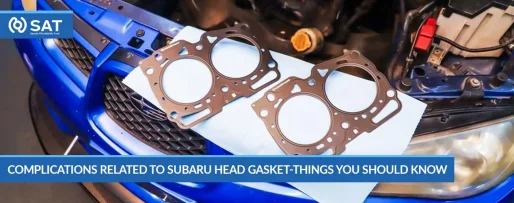
Subaru is widely known for being a highly reliable manufacturer of vehicles that are simultaneously safe and stylish. Because of Subaru Models‘ performance and reliability, these vehicles have a loyal fanbase that swears by them. However, there are some limitations with their boxer engine, and one of the faults in some Subaru vehicles is the head gasket problem. Some 2.6-liter four-cylinder motors are known for their blown head gaskets, leading to costly repairs.
So, which of the models are affected by the Subaru head gasket leak, and what might be signs or blown Subaru Head Gasket?
Let’s find out:
This part of your engine is made of steel and assists in managing the overall operations of your internal combustion engine. It creates a seal between the cylinder head and the engine block. The head gasket’s primary purpose is to ensure that fluids, including coolants and oils, are kept out of the cylinder and that those fluids do not mix or leak.
Because of the horizontal configuration of the boxer engine, two head gaskets are required in Subaru.
The head gasket must be placed precisely and securely to ensure that everything is sealed correctly. In the majority of engines, the head gasket lasts about a lifetime unless there are major engine repairs performed on the car, in which case it might need replacement.
A faulty head gasket can create multiple problems. The gasket moves slightly as the engine heats up and cools down. With each operating cycle, the head gasket must absorb and dissipate the heat. When the head gasket has issues, the coolant and oil start to mix, resulting in a costly situation.
Some of Subaru’s earlier models used a unique rigid shim steel gasket. Under high pressure and temperatures, this rigidity is likely to fail, resulting in a blown gasket. Because of reasons such as excessive temperature increment, extreme wear and tear, or because of faulty components, Subaru head gaskets end up with multiple problems.
1999 – 2010 Forester
1999 – 2011 Impreza
2000 – 2009 Outback
2000 – 2009 Legacy
2003 – 2005 Baja
Instead of perched up like most models, the engine lays flat with a Subaru boxer motor. The piston moves from side to side in these engines. Even with the engine’s fabulous weight and balance properties, the fluid fills up next to the head gasket instead of draining normally. Even after upgrading the parts, the acid from the fluid starts to eat away at the seal. All such unfortunate events can lead to critical issues in the engine.
A blown gasket can cause coolant and oil to leak into the combustion chamber, where they will catch flame immediately and it will be expelled through the exhaust system. White smoke coming from the tailpipe indicates a coolant leak, while blue smoke indicates an oil leak.
Let’s discuss the common symptoms indicating Subaru engine problems in detail:
Not only can a gasket fail as a result of an overheated engine, but it can also result in various other problems. When the head gasket is not sealed correctly, the hot gases move through dispersion and end up in the cooling system. Another instance could be that the coolant can leak into the cylinder. Whatever the case is, you can end up with an overheating engine, close to catching flame.
The cylinder head can be deformed if you continue to drive with the overheated engine. The catalytic converter can also face damage due to the steam, resulting in much more costly repairs.
When the head gasket blows, you might observe military sludge dripping on the dipstick or under the oil filler cap. This substance is caused as a result of coolant mixing with the oil.
If you continue to drive with coolant in the oil, it will cause more damage to the bearing of the engine. Not only will the head gasket need repair, but you will also have to flush the engine and add a new filter to avoid this issue.
A vehicle’s performance can be affected badly by any leakage in the engine blocks. The compression in the engine is reduced when fuel or compressed air escapes. This lack of compression causes the engine to run roughly. The sounds produced in this case can be similar to an exhaust leak.
When the gasket separating the oil or water passages from the engine’s exterior fails, it results in either an oil or coolant leak. Though this condition is serious, it’s the least troublesome manner of a gasket to blow.
Among other signs related to Subaru’s problems, one is white smoke. If the white smoke is coming out of the exhaust, it can be a sign of a blown head gasket. The smoke will smell sweet because of the antifreeze that leaked into the cylinders.
The coolant turns into steam as part of the combustion engine; however, the smoke will turn blue if the leak comes from the oil past, though the chances of this happening are less frequent.
The best thing you can do is leave your Subaru to a certified mechanic who knows how to manage the issue. This is because specific tools and experience are required to repair this specific vehicle properly, and it can be quite costly, too.
This is because just replacing the head gasket will not solve the problem’s original cause, rather it can blow the new gasket too. Therefore, let a professional with experience handle the Subaru engine. A good technician will thoroughly dismantle the motor to ensure everything is fixed properly so that you do not have to spend so much money in the future.
Here are some of the things you can do to prevent head gasket failure
Change the oil of your car regularly.
Check the coolant cylinder and change the fluid when it gets dirty.
Clean the surroundings of the car battery and the terminals regularly to prevent dust accumulation, which can lead to rust and corrosion.
Get regular car maintenance service from a reputed or experienced mechanic who is an expert on Subaru car models.
Figuring out your car’s mechanics and internal workings may seem challenging at first look, but it is highly recommended to stay informed on any potential faults your vehicle can face. Being well-educated in auto-anatomy can save you expensive trips to the mechanic when the issue can be resolved on your own. Especially in cases like having a Head Gasket leak, preventative maintenance is required regularly to keep your car’s health in check. Hence, this information available at SAT Japan helps you diagnose and solve any issue with your vehicle’s Head Gasket health immediately to avoid more serious damage to the engine.

Is your car making a humming noise when driving? Well, to prevent costly repairs, it is essential to tend to it immediately. One of the most common issues that the majority of people face is annoying car noise, particularly when a car makes a humming noise when accelerating.
Humming noise in a car when accelerating means your vehicle is making a sound when you try to speed up, and it can happen for many reasons. Let us have a look as we lay out our expertise to ensure your car’s health.
One of the reasons why your car makes noise when accelerating is because of a bad transmission issue, i.e., worn-up gears of the transmission system.
The engine has several gears that quickly wear out if you drive frequently. As a result, when you try to accelerate your vehicle, it makes vibrations and noises. If you cannot figure out the part of the damaged transmission, you are advised to take your car to a mechanical professional.
Excess air in a complete transmission line can produce noisy sounds. Therefore, it is important to check the fluid regularly and replace it with a high-quality version.
Another reason why a car makes humming noise when driving is related to engine issues such as leakage, loose belts, or faulty power systems.
To find the damaged part, sometimes the engine is checked. The presence of a leak in the exhaust system or power steering can be the cause behind the humming sound from the engine. You can fix this yourself and also get assistance from a professional.
Low-fluid carrying can also be a possible cause. To fix this issue, you just need to add liquid, and your vehicle will start to run normally.
The belt is essential for tires to drive, and it can be loosened up. Because of that, your vehicle can produce annoying loud noises, which can also cause significant damage to your car.
One possible reason why your car makes a humming or roaring noise when driving is that there is a defect in the car’s steering system. Before panic starts setting in, let’s list down the different problems your car’s steering system may be facing:
One reason for a whining or humming sound produced from your car can be that one of your wheel’s bearings has been corrupted and the fault lies in your turned wheel.
Another reason behind the humming noise from your car when driving is the unfastened steering belt which gets worn out over time, when not maintained. As your belt gets loosened, it can create some major impact, including screeching noises from your engine when accelerating.
A faulty power pump can produce a humming noise and cause severe damage to your vehicle. A faulty power pump will lead to leaks and metal contamination in your vehicle; Hence, this issue is to be promptly addressed.
There are three primary signs that you must look for to identify the humming sound when driving or accelerating.
Driving your vehicle for long periods results in sustained transmission, especially if the vehicle has loose bearings. The first sign of this vehicular defect is a continuous whining sound.
Another factor to help you gauge the damage in your steering system is the Revolutions Per Minute (RPM) of your car. The level of RPM is also closely related to the noise. A wheezing sound can be produced with greater RPM when you increase speed. Grinding Noise When Braking is another indicator of underlying issues.
Another signal behind the occurrence of this humming noise can be observed on the highway. When you change lanes or take sharp turns at greater speeds, there is a higher chance of your vehicle producing humming sounds on the highway.
Now that your concern of “Why is my car making humming noises” has been attended to. Next, let’s move on to the precautions and solutions for this humming noise from your car. Here are some of the measures you can take if your car is making humming noises:
Often, your car’s wheel bearings wear out after a long driving period, requiring a replacement. This task is not as worrisome as it sounds because your local technician can get it done in no time.
Leaving your car parked, unattended, for an extended period without moving it can cause the tires to become unbalanced. Additionally, if the seat vibrates, an imbalance can occur in the rear wheels which causes a misalignment in your vehicle. Consequently, you must regularly take your vehicle for tire tightening, which will cause your car to remain balanced.
If your vehicle is still making humming sounds, it is preferable to take it to a professional mechanic for diagnostics. The cost of diagnostics depends on the model car and the issue you are facing with your vehicle.
Now, you might be familiar with some common causes behind humming noise while driving. When dealing with car-related issues, it is preferable to follow the best approach as it can affect your and other people’s safety. Also, get your vehicle checked on a regular basis to prevent these incidents from occurring in the first place. SAT Japan has all the cars and all the information about car-related issues.

Apple CarPlay not working is an integrated feature that enables the car’s infotainment system to work perfectly with your iPhone, allowing you to use all your phone’s functions safely and conveniently while driving. Displaying the iPhone’s interface on a car’s display, CarPlay allows you to make calls, send and receive messages, use navigation, and enjoy music by touch or Siri voice commands from a simple, recognizable, and user-friendly interface.
A well-functioning CarPlay system is more than a mere convenience while driving; it plays the pivotal role of reducing distractions, connecting you with essentials, and helping you access apps and functions without taking your eyes off the road. A smoothly working CarPlay system would mean that driving becomes pleasant and safe to a considerable extent.
Sometimes, CarPlay cannot connect to your iPhone, or you will notice that your screen stops or apps freeze. If sound problems, such as incomplete calls or no sound, happen, the student should contact the educational company to get the problem resolved. Another common issue that impacts interoperability is compatibility with outdated software on your iPhone or your car. To have a wonderful CarPlay experience, it is necessary to solve all the issues soon.
Keeping your iPhone and vehicle software up-to-date is important in resolving CarPlay problems. If the problems continue after trying out each phone call, the manufacturer for assistance is the appropriate option.
Before going into detailed troubleshooting steps, it’s important to perform some initial checks that can often resolve CarPlay issues quickly and efficiently:
Enable CarPlay in Your Car’s Settings: Before proceeding, check if CarPlay is enabled in your car’s infotainment system settings. This feature is available and can be found in many vehicles under the general or connectivity settings.
Confirm Your iPhone is Compatible and Camping in the Latest iOS: Ensure that the iPhone model you own is compatible with CarPlay and that you have the latest version of iOS installed on the device. Regularly updating your iPhone’s software prevents you from getting behind and missing important features and fixes.
Make Sure There Are No Software Updates for Your Car’s Infotainment System: Ensure that your car’s infotainment version is running the latest software. The manufacturers often update and fix incompatibility problems and bugs; therefore, upgrading the system can resolve many CarPlay issues.
Preparing these first steps can help us recognize and fix minor terms that may cause us to waste time on the more complex steps.
Here is a step-by-step troubleshooting guide.
Examine your USB cable for deficiencies, such as fraying, cuts or bent connectors. A damaged cable that is not Apple-certified can cause intermittency or even connectivity failures, so using an Apple-certified option usually resolves connectivity issues.
Inspect the USB port in the car for foreign substances such as dirt, dust, or any other debris that can affect the stable connection. If it is needed, use compressed air from a can to gently vent the port by using a tiny brush. Furthermore, iPhone owners should try alternating the USB port the iPhone is connected to figure out whether it is a port-specific related issue. This way, one of the most frequent causes of connection issues is eliminated, so you have uninterrupted power and a smooth connection.
CarPlay problems can be resolved by restarting your iPhone or car’s infotainment system. To power down your iPhone, press and hold the side button (top button for models with previous generations) along with a volume button until the slide to power off appears, then slide to turn it off. Restore it by pushing and holding the side (or the top) button until the Apple sign appears.
For your car’s infotainment system, find the power button and hold it until it completely shuts down and powers on (about 10-15 seconds). On the other hand, the startup button, which can be found in the system Settings, is a better option. Restarting both devices commonly refreshes bugs and restores CarPlay functionality.
For flawless CarPlay operation, make sure Siri has been turned on your iPhone. This can be done by accessing settings on your iPhone, selecting “Siri & Search,” and ensuring that the toggle for “Hey Siri” or “Press Side Button for Siri” is in the on position. In the case of CarPlay, Siri is a function you use to communicate with your iPhone without any manual actions while driving. Using Siri, you can make calls, send messages, get directions, and operate CarPlay features voice-activated, thus increasing safety and convenience.
To fix Bluetooth and Wi-Fi connection problems, first turn off these services and then turn them back on again. This strengthens weak bonds. Next, Bluetooth or Wi-Fi must connect the iPhone to the car system. Go to your iPhone’s settings, pick the Bluetooth or Wi-Fi menu, and choose your car’s name again to connect them. Frequently, these simple steps resolve CarPlay issues and drive you back to music, navigation, and hands-free calls in your car.
If CarPlay isn’t functioning, reset your iPhone and reconnect it to your vehicle again. Initially, go to the iPhone’s CarPlay settings and delete your car from the list. The next step is to select your vehicle from the available list. When working with CarPlay, these easy fixes can sometimes solve problems and resync the iPhone with the car’s infotainment system.
Let’s look at the advanced options if the CarPlay is not working.
If the problem persists, you can try resetting your phone’s personal network settings. This section walks you through resetting your iPhone’s network settings, which may address CarPlay’s connectivity issues.
A factory reset of your car’s infotainment system will be the last step if other troubleshooting steps do not solve the problem. Ensure you carefully follow the procedures from your car manufacturer to safely and adequately perform this reset.
If the CarPlay issues persist even after you have attempted all the solutions given, it is time to contact the car or device manufacturer for help. They can discuss the issues in more detail and precisely work on your vehicle or device’s CarPlay, addressing the system’s problems best.
Let’s explore all the measures you can take to prevent any problem.
Ensure you update your iPhone and car’s software, as the recent versions affect their compatibility and stability with CarPlay. Frequent updates also bring many bug fixes and innovations that can greatly improve CarPlay performance.
If you want to connect your phone to your car’s infotainment system, make sure that you use certified, high-quality accessories. CarPlay’s certified operators and adapters have been designed to communicate quickly without a hitch, thus reducing the chances of connection problems.
Be aware that you will lose some of the CarPlay functionality while installing third-party apps that affect the system. A few apps may disrupt or cause the CarPlay system; avoiding apps not recommended by Apple may result in a smoother CarPlay experience.
Finally, the good news is that you can solve many CarPlay not working problems with easy procedures provided by SAT Japan. We have discussed all the possible troubleshooting techniques to ensure your CarPlay is running smoothly, from resetting to checking wire connections. After learning these steps, you will notice no problems and can easily use your iPhone with your car’s infotainment system.
But keep in mind that installing the latest software, using certified accessories, and not installing third-party applications should be preventive measures at all costs. You should try these problem-solving tricks and add to the comment section about your experiences or help. However, we can ultimately build our CarPlay experience to make driving safer and more fun for all.

The elegance of black cars can never be underestimated because they are always associated with class and style. Their graceful and classic appearance has made these models popular among car lovers for many years. Whether you travel around the city roads or park your car at home, a black car is always attractive and quite powerful. At SAT Japan, we know how fascinating black cars are, and for this reason, we have various options for black car models.
As one of the major exporters of Japanese used cars, we offer our customers the best services and a large inventory. This allows them to select a car according to their choice and color preference. Before getting into further details, let’s learn more about why black cars have remained popular around the globe.
Black cars have a long history of style and class. Ever since the evolution of automobiles with the legendary Model T of Henry Ford to today’s brands such as Mercedes–Benz and BMW, which present exotic designs, black remains the most preferred color due to its glossy finish. Even to this day, black cars remain popular in the worldwide market and are one of the most desired colors chosen by car consumers. Ideally, they are perfect for almost all types of cars since black cars are admired by all car lovers around the world.
Here are various advantages of having a black car. Let’s explore these benefits.
The advantages of owning a black car begin with the appeal of the automobile’s aesthetic appearance. Black cars have a glamorous appearance that makes them better than other cars and leaves a powerful image on any roadway. The black color gives a car a luxurious and rich appearance, increases its worth, and makes it more glamorous. Furthermore, black cars depict elegance and social status and, therefore, are more attractive to potential users with exquisite taste.
Black cars are special because of their versatility. They can perfectly fit into different occasions and moods. They are also best for formal or informal occasions. Their neutral color makes them blend in well with any surroundings and bring a touch of superiority wherever they are. In addition, black cars are very flexible in terms of modification since it is the most common color for cars. They are perfect for interior and exterior accessories as they enable owners to modify and design their vehicles as they wish.
The ownership of a black car can help boost its market value as it can retain as well as increase its value and demand over time. The fact that black is on-trend, timeless, and classy means that its resale value is higher, especially for those who love black cars. This demand by the buyers looking for used cars means that black cars maintain their market value for a longer time, and they give the owners a worthy return on their investment.
Black cars require regular maintenance to maintain their smooth and refined appearance. To avoid scratches and give the car a shiny look, you should wash it with car care products such as car shampoo and a microfiber towel. When washing, polishing, or waxing, it is best to purchase products meant for dark-colored cars to give them a polished and protected appearance.
To maintain the beauty of a black car for as long as possible, it is advisable to treat scratches and swirl marks in their early stages with gentle techniques and professional car washing and detailing.
In the automobile sector, Japan has made some of the most elegant black cars that are closely associated with performance. Japanese black cars are well-built, incorporate advanced safety measures, and offer various customizing choices on wheels to give the drivers an aesthetic and functional drive. A few of the classic examples depict the finest features that define the Japanese auto industry include:
Toyota Camry Hybrid
Nissan GT-R
Lexus LS
Mazda MX-5 Miata
These black cars offer innovative designs, technological features, and durability, which makes them popular among overseas consumers. Due to their stunning performance and timeless elegance, Japanese black cars have remained appealing to fans from across the world as exemplary models of refinement.
If you are in the market for your black car, SAT Japan is all that you need. We deal with the exportation of high-quality Japanese used cars and are well-equipped to meet your needs. Navigating through our site, as well as buying your black car, is convenient. In this regard, searching for your ideal black car through SAT Japan is easy, effective, and time-saving.
Here are the reasons why SAT Japan is a top choice among customers who tend to buy Japanese used cars especially in black color.
Exporting Excellence: Excels in exporting top-quality Japanese cars worldwide.
Black Car Variety: Gives a diverse range of black car options personalized to your tastes.
Easy Online Experience: Offers a user-friendly platform that ensures easy purchase.
Trustworthy Transactions: Provides a reliable and trouble-free buying journey.
A black car is a timeless piece that will never go out of style and will remain a symbol of luxury for those who can afford it without any hesitation. Due to its design and the powerful and smooth look that makes it appropriate for the surrounding environment, a black car can easily pass as a representation of grace and dignity. Also, its consistent demand and high rate of reselling make it an ideal investment for consumers.
Cars being used for longer periods require their engines to be well maintained to ensure efficiency is not compromised. This is where high-mileage oil comes in. High mileage oil is formulated for cars that have been driven over seventy-five thousand miles on the road. It includes special components and supplements that aid in solving problems connected with the maturity of engines, for example, leakage, increased consumption, and wear out. With high mileage oil, you can be sure that your engine will continue to be protected and lubricated even as it wears out.
High-mileage oils can significantly improve a vehicle’s performance, especially those that have already run for several years or more on the road; thus, they should be used when necessary. Over time, seals and gaskets may become stiff and less capable of maintaining their seal through high demands such as pressure and heat. High mileage oil aids in revitalizing these seals to minimize leakages, and to enhance oil pressure. Finally, high mileage oil contains special additives to help remove sludge and deposits that tend to build up in older engines and maintain the peak performance of the engine. In sum, high mileage oil is one product that can be used by car owners who wish to extend the life of their car and give it long-lasting protection.
High-mileage motor oil is designed for cars that have travelled more than 75,000 miles on the road. Over time, the car, particularly the engine, begins to deteriorate through various common problems like oil leakage, poor performance, and increased oil consumption. The high-mileage oil, which contains specific ingredients that aim to improve the performance of the old vehicle, solves these issues.
The composition of high-mileage oil includes:
Seal Conditioners: These additives also assist in keeping the engine seals fresh and reducing oil leakages.
Anti-Wear Agents: Additional anti-wear agents prevent excessive wear and tear on the engine, increasing its durability.
Detergents and Dispersants: Lubricants also improve general cleaning and reduce the formation of sludge and deposits that hamper the engine’s efficient running.
Viscosity Modifiers: These assist the oil in retaining the ideal thickness it requires at various temperatures so that it can continue providing a thin layer of protection against wear on the contacting surfaces.
Friction Modifiers enhance fuel economy by minimizing the resistance between and among the engine’s perpetually moving components.
While both high mileage oil and regular oil serve to lubricate and protect the engine, there are several key differences between them:
Additives: High-mileage oil contains some components not present in normal oil, such as seal conditioners and improved anti-wear agents. These are essential as they help meet the needs of old engines that require special attention.
Viscosity: High mileage oils may also contain viscosity index improvers that aid in preventing thinning of the oil over time and with temperature fluctuations, which could be beneficial for older car engines.
Detergent Levels: High-mileage oils contain higher detergent dispersant levels due to the engine’s years of exposure to sludge and deposits.
Oil Consumption: The high mileage oil is intended to consume less oil in older-generation automobile engines than regular oil by conditioning the seals and preventing them from leaking, which is not significantly prevented by regular oils.
Furthermore, high-mileage motor oil can effectively address the requirements of old and worn-out vehicles, offering more performance and protection than conventional motor oil.
High-mileage engine oil is specially made for older car engines that want to last longer. It comprises sophisticated anti-wear additives to offer an additional layer of safeguard against the usual wear and tear characteristic of engines with high mileage. Where high-mileage oil is used, there is less drag and no formation of deposits that should harm the components, allowing them to stay in better shape for a longer duration. This added safeguard can go a long way toward preserving a vehicle and preventing major engine failure beyond the 75,000-mile mark.
Another advantage of high-mileage oil is that it helps to decrease oil leakage and consumption to a great extent. Older engines, for example, tend to have some leaks because the seals and gaskets, with time, are likely to wear out. High mileage oil has seal conditioners that help restore the elasticity to these seals to seal any leakage effectively. Also, the development of high mileage oil ensures that there is slow consumption of the oil as the car is in use, hence less top-off and more oil level.
High mileage oil can also enhance the efficiency of the engine and operate optimally. Engines naturally become less efficient over time from sludge deposits, the same as with other layers in addition to internal friction. High-mileage oil includes detergents and dispersants that help clean out deposits and stop new sludge from developing. This cleaning action helps keep the engine operating as required by maintaining high standards of cleanliness. The oil’s friction modifiers also reduce internal friction, as this can come at the cost of fuel efficiency and some regained engine power.
High mileage oils contain seal conditioners that are highly vital when it comes to the overall health of an engine. Engine seals and gaskets can degrade over time and often become brittle as well as shrink; therefore, they cause leaks. In high-mileage oil, seal conditioners aid in restoring these aging seals to a more flexible and suitable state to seal gaps. This minimizes the chances of an oil leakage and ensures that the engine has adequate oil pressure for durability and effectiveness.
High-mileage oils have several features that make them suitable for older engines, as indicated below. These include:
Anti-Wear Agents: Offer additional safeguards against potential wear and tear on the engine.
Detergents and Dispersants: Keep the engine clean and avoid letting sludge and deposits accumulate.
Friction Modifiers: Minimize internal drag, enhancing an automobile’s fuel consumption and power.
Seal Conditioners: Rehabilitation of aging seals to enhance performance and minimize leakage.
Antioxidants: Safeguard against loss in oil quality and optimize the usable life of the oil.
These additives complement one another to meet the requirements of these engines and keep them operating at peak efficiency.
High mileage oil is most appropriate for cars with high mileage, usually above seventy-five thousand miles. Cars with such a mileage usually have problems associated with aging engines, like engine oil leaks, higher oil consumption, and low power output. These problems occur due to the deterioration of engine seals and gaskets due to wear and tear over some time. High mileage oil comes with additives that are meant to restore these seals, minimize oil consumption, and, at the same time, enhance the performance of the engine.
If you are driving a car that has done many kilometers on the road but the car is not showing signs of faulty next time you do your maintenance, why not grab a high mileage engine oil? Therefore, if your car has over 75,000 miles, it is wise to switch to high-mileage oil to allow the car to continue running without any serious problems.
Several factors need to be considered when choosing high-mileage oil for your vehicle to enhance its performance and protect the engine.
Viscosity Rating: According to the vehicle owner’s manual, there is always a recommended viscosity grade for a particular car. High-mileage oils are available in various viscosities, such as 5W—30 or 10W-40. These numbers refer to the thickness of the oil and its compatibility with your engine.
Additive Package: Search for high-mileage oils with seal conditioners, detergents, dispersants, and anti-wear agents. These are important to help restore old seals, clean an engine, and offer further protection against wear.
Brand Reputation: Select popular manufacturers that use high-quality materials for their motor oils. Products from highly reputed brands are likely to deliver on the promise and offer similar quality and durability as the reputations suggest while also likely to be compliant with standards.
Certifications: When choosing a high-mileage oil, you should look into certain things, such as some of the API or ILSAC certifications.
Price vs. Quality: The price factor is also important, but customers are advised to opt for quality and effectiveness while going for high-mileage oil. Purchasing a better-quality oil means better protection and better performance, which ultimately will come with lesser costs on a required new engine.
Another important consideration is the use of the correct grade of oil, the type of oil, and the time interval between each oil change. Choosing or using the incorrect form or viscosity of oil for the engine will harm the engine and, in turn, nullify the warranty. Companies invest a great deal of research to find the right type of oil for their engines regarding the design, the material used and the conditions of the engines to be used.
By following these suggestions, it is possible to achieve Peak Performance while at the same time preserving the durability of your engine and retaining the warranty you were issued.
While looking for high-mileage oil, it is important to pay attention to the company, people’s recommendations, licensing, and cost. Some popular high-mileage oil brands include:
Castrol GTX High Mileage
Valvoline MaxLife High Mileage
Mobil 1 High Mileage
Pennzoil High Mileage
Royal Purple High Mileage
Assess each brand by the unique characteristics of the products, the performance guarantees made by the manufacturer, and the fit into your vehicle. Consumer feedback and professional advice can also be useful in ascertaining the quality and efficiency of different high mileage oils.
Considering these factors and adhering to the manufacturer’s specifications can help one select the most appropriate high-mileage oil to enhance the performance and efficiency of an aging engine.
In conclusion, high mileage oil is a specialized product designed for the needs of high-mileage vehicles as it offers better protection and improved vehicle performance. Particularly, its additives are designed to increase an engine’s durability, decrease oil leakage, and enhance general efficiency, which makes this product ideal for vehicles with over 75k miles. When it comes to your old car, it is important to think about changing the oil frequently to avoid problems, but instead, use high mileage oil.


